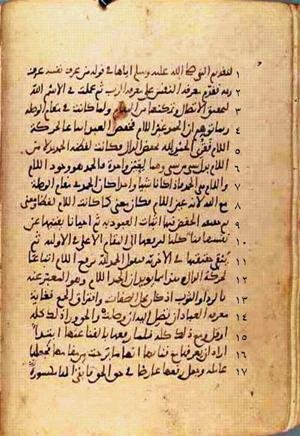
as for the Word, no intermediary can be conceived in its case at all. As for what is below it, an intermediary is indispensable.
Nurturing through an intermediary, in particular, then divides into two kinds: praiseworthy and blameworthy. From the Beginningless, Most High, down to and including the Soul, there is only what is delimited. Praiseworthiness and blameworthiness, however, extend from the Soul to the sensory world. The Soul is therefore a locus receptive to alteration and purification.
We say: when God Most High brought the Word, designated the Universal Spirit, into existence through origination without precedent, He brought it into existence in the station of ignorance and the locus of negation. That is, He blinded it to seeing itself. It therefore remained ignorant of whence or how it had issued. Its nourishment, the cause of its life and continuance, was within it, but it did not know this.
God then stirred its spiritual aspiration to seek what it already possessed, while it did not know that it possessed it. It set out on its journey through its aspiration. The Real, Most High, made it witness its own essence, and it became still and knew that what it sought had always been an attribute of it. Ibrahim ibn Masud al-Ilbiri said:
A man may journey in pursuit of what he seeks,
while the sought cause is within the traveler.
It knew the secrets and wisdoms God had deposited within it, realized its own temporal origination, and knew its own essence with an encompassing knowledge. That knowledge became a determinate nourishment by which it sustained itself and through which its life continued without end.
At that—
Notes
Translator’s note TN441-1: The supplied text reads maḥdūd, “delimited,” in “there is only what is delimited.” The surrounding contrast between praiseworthy and blameworthy might suggest maḥmūd, “praiseworthy,” but the reading supplied has been retained.