The Meccan Revelations

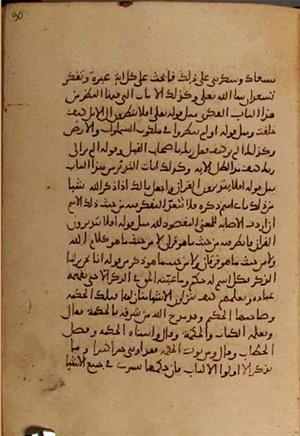
Manuscript volume 14 · Page 180

Konya manuscript

Open Arabic sourceOpen English translation

Arabic

مسعاك، وشكرتني على ذٰلك، فابحث على كل آية عبرة وتفكر، تسعد إن شاء الله تعالى.

وكذٰلك الآيات التي فيها النظر من هٰذا الباب الفكري، مثل قوله تعالى: ﴿أَ فَلا يَنْظُرُونَ إِلَى الْإِبِلِ كَيْفَ خُلِقَتْ﴾ [الغاشية: 17]، ومثل قوله: ﴿أَ ولَمْ يَنْظُرُوا في مَلَكُوتِ السَّماواتِ والْأَرْضِ﴾ [الأعراف: 185] وكذٰلك: ﴿أَ لَمْ تَرَ كَيْفَ فَعَلَ رَبُّكَ بِأَصْحابِ الْفِيلِ﴾ [الفيل: 1]، وقوله: ﴿أَ لَمْ تَرَ إِلى رَبِّكَ كَيْفَ مَدَّ الظِّلَّ﴾ [الفرقان: 45]، الآية.

وكذٰلك آيات التدبر من هٰذا الباب، مثل قوله: ﴿أَ فَلا يَتَدَبَّرُونَ الْقُرْآنَ﴾ [النساء: 82].

(مراعاة الاسم المذكور في الآية)

واجعل بالك إذا ذكر الله شيئا من ذٰلك، بأي اسم ذكره، فلا تتعدى التفكر فيه، من حيث ذٰلك الاسم، إن أردت الإصابة للمعنى المقصود لله، مثل قوله: ﴿أَ فَلا يَتَدَبَّرُونَ الْقُرْآنَ﴾، فانظر فيه، من حيث ما هو قرآن، لا، من حيث ما هو كلام الله، ولا، من حيث ما هو فرقان، ولا، من حيث ما هو ذكر، من قوله: ﴿إِنَّا نَحْنُ نَزَّلْنَا الذِّكْرَ﴾ [الحجر: 9].

فكل اسم له حكم[53]، وما عينه الحق في الذكر إلا حتى يفهمه عباده، ويعلمهم كيف ينزلون الأشياء منازلها، فتلك الحكمة، وصاحبها الحكيم.

وقد مدح الله من شرفه بالحكمة، فقال: ﴿ويُعَلِّمُهُ الْكِتابَ والْحِكْمَةَ﴾ [آل عمران: 48]، وقال: ﴿وآتَيْناهُ الْحِكْمَةَ وفَصْلَ الْخِطابِ﴾ [ص: 20]، وقال: ﴿ومن يُؤْتَ الْحِكْمَةَ فَقَدْ أُوتِيَ خَيْراً كَثِيراً وما يَذَّكَّرُ إِلَّا أُولُوا الْأَلْبابِ﴾ [البقرة: 269]، فإن حكمها يسرى في جميع الأشياء،

لصورة الحق والأسماء أجمعها

و كل عين فما في الحق تبديل‏

و في مواطن كلفنا بخدمته

أتت بذٰلك إخبار وتنزيل‏

التاركون للفكر رجال أرادوا رفع اللبس عنهم فيما يريدون العلم به، ليلحقوا بوراثة من قيل فيه: ﴿وما يَنْطِقُ عَنِ الْهَوى﴾ [النجم: 3]، وبما فطر عليه من فطر من المخلوقات، كالملائكة، ومن شاء الله من المخلوقين الذين فطروا على العلم بالله والموحى إليهم ابتداء من الله، وعناية بهم، ولأن الأفكار محل الغلط.

(ترك التفكر والاشتغال بالذكر)

والطائفة الأخرى نزحت إلى ترك التفكر، لأن التفكر جولان في أحد أمرين، إما في المخلوقات، وإما في الإله.

وأعلى درجات جولانه في المخلوقات، أن يتخذها دليلا، والمدلول يضاد الدليل، فلا يجتمع دليل ومدلوله عند الناظر أبدا، فرأوا ترك التفكر، والاشتغال بالذكر، إذ هما مشروعان، فإنه لو مات في حال الفكر في الآيات، لمات في غير الله، وإن كان يطلبها لله، ولكن لا يكون له مشهود إلا هي.

وإن كان جولانه في الإله، ليتخذه دليلا على المخلوقات والكائنات، كما يراه بعضهم، فقد طلبه

Notes

[53]

(ينبه المؤلف إلى التفكر في الآية من جهة الاسم الذي ورد فيها؛ ويمثل بالفرق بين القرآن والفرقان والذكر، مع وحدة المسمى.)
English

your striving and thank me for it. Seek every verse of lesson and thinking, and attain felicity, God the Exalted willing.

Likewise, verses containing consideration belong to this domain of thought, such as His saying, exalted is He, “Do they not consider the camels, how they were created?” [al-Ghashiya 88:17]; “Have they not considered the dominion of the heavens and earth?” [al-Aʿraf 7:185]; “Have you not seen how your Lord dealt with the people of the elephant?” [al-Fil 105:1]; and “Have you not seen your Lord, how He extends the shade?” [al-Furqan 25:45], and the rest of the verse.

Verses of pondering also belong to this domain, as in His saying, “Do they not ponder the Qurʾan?” [al-Nisaʾ 4:82].

(Attending to the Name Mentioned in the Verse)

Pay attention when God mentions any such thing: by what name does He mention it? Do not go beyond thinking upon it in respect of that name if you wish to attain God’s intended meaning. For example, “Do they not ponder the Qurʾan?” Consider it insofar as it is Qurʾan, not insofar as it is God’s speech, or Furqan, or Remembrance, as in His saying, “We indeed sent down the Remembrance” [al-Hijr 15:9].

Each name has a ruling.[53] The Real designates it in the Remembrance only so His servants understand it and learn how to place things in their places. This is wisdom, and its possessor is wise.

God praises those He ennobles through wisdom: “He teaches him the Book and wisdom” [Al ʿImran 3:48]; “We gave him wisdom and decisive speech” [Sad 38:20]; and “Whoever is given wisdom has been given abundant good. None remembers except possessors of understanding” [al-Baqara 2:269]. Its ruling flows through all things,

of the Real’s form, and all the names,

and every entity: there is no change in the Real.

In places where we were charged with serving Him,

reports and revelation came to this effect.

Those leaving thought are men who want confusion removed from what they wish to know, to join the inheritance of one concerning whom it was said, “He does not speak from caprice” [al-Najm 53:3], and the primordial nature of creatures so formed, like angels and whomever God wills among creatures formed upon knowledge of God, receiving revelation directly from God through His solicitude. Thoughts are a locus of error.

(Leaving Thinking and Occupying Oneself with Remembrance)

The other group turns to leaving thinking because thinking ranges over one of two affairs: created things or the Deity.

The highest degree of ranging over created things is to take them as evidence. What is indicated is opposed to the evidence: evidence and what it indicates never come together for the one considering. They therefore choose to leave thinking and occupy themselves with remembrance, since both are prescribed. Were he to die while thinking upon signs, he would die within other than God, even if he seeks them for God. What he witnesses is only they.

If he ranges over the Deity to take Him as evidence for created and engendered things, as some consider, he has sought Him

Notes

[53]

(The author calls attention to thinking upon the verse from the aspect of the name occurring within it. He illustrates the distinction between Qurʾan, Furqan, and Remembrance, while the Named is one.)

Translator’s note TN4242-1: The four verse lines beginning “of the Real’s form” appear here in the supplied page. They seem syntactically to continue the next page’s poem ending “gathering is attaining.” Their physical placement is retained rather than rearranged.

Translator’s note TN4242-2: The first paragraph of the next page resumes the wisdom discussion, whereas the later prose here already discusses leaving thought. This displaced-looking sequence, and the sentence resumed after the intervening poem and blank page, are retained.

Translator’s note TN4242-3: Book, Qurʾan, Furqan (Criterion), and Remembrance name aspects of one Referent in this argument. The text requires attention to the particular name used, not the supposition of different scriptures in these expressions.

Manuscript imageManuscript volume 14 · Page 180

Arabic and English are linked by the same Konya page ID. Page alignment is approximate; consult the manuscript image for verification.

Cairo source reference

Ibn al-Arabi, The Meccan Revelations — Manuscript volume 14 · Page 180 — https://www.futmak.com/english/konya/pages.php?id=4242&text=both