The Meccan Revelations

Manuscript volume 14 · Page 157

Konya manuscript

Open Arabic sourceOpen English translation

Arabic

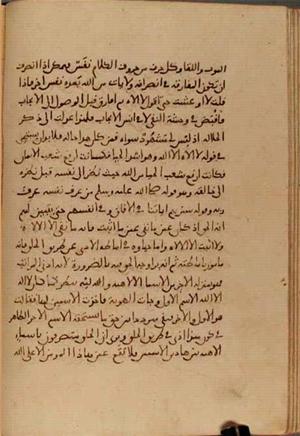
الموت واللقاء، وكل حرف من حروف الكلام نفس، فيمكن إذا انصرف أن تكون المفارقة في انصرافه، ولا يأتي من الله بعده نفس آخر.

فإذا قلت لا، أو عشت حتى أقول لا إله، ثم أفارق قبل الوصول إلى الإيجاب، فأقبض في وحشة النفي، لا في أنس الإيجاب، فلهٰذا عدلت إلى ذكر الجلالة، إذ ليس لي مشهود سواه.

فمن كان هٰذا حاله، فلا بد أن يستحيي في قوله لا إله إلا الله، وهو أشد الحياء، فكانت أرفع شعب الايمان، فكانت أرفع شعب الحياء من الله، حيث، نظر إلى نفسه قبل نظره إلى خالقه، وهو قوله ص: «من عرف نفسه عرف ربه»، وقوله: ﴿سَنُرِيهِمْ آياتِنا في الْآفاقِ وفي أَنْفُسِهِمْ حَتَّى يَتَبَيَّنَ لَهُمْ أَنَّهُ الْحَقُّ﴾ [فصلت: 53]، إذ كان عين ما نفى عين ما أثبت، فإنه ما نفى إلا الإله، ولا أثبت إلا الإله.

(الحياء وإماطة الأذى)

وأما حياؤه في، إماطة الأذى عن طريق الخلق، فإنه مأمور بإماطته، ثم إنه يرى وجه الحق فيه، بالضرورة، لأنه أدنى المراتب، فهو بمنزلة الآخر من الأسماء الإلهية، وإليه ينظر، كما كان لا إله إلا الله الاسم الأول، وجاءت الهوية، فأخذت الاسمين لها، فقالت: ﴿هُوَ الْأَوَّلُ والْآخِرُ﴾ [الحديد: 3].

فبقي مترددا بين حق ما يستحقه الاسم الآخر الظاهر في كون هٰذا أذى في طريق الخلق، ويرى أن الخلق متصرفون بأسماء إلهية، بين هذين الاسمين، فلا تقع عين هٰذا المؤمن إلا على الله،
English

death and the meeting. Every letter of speech is a breath. When it departs, separation may occur in its departure and no further breath come from God after it.

“If I say ‘No,’ or live long enough to say ‘There is no god,’ then depart before reaching affirmation, I am taken in the desolation of negation, not the intimacy of affirmation. I therefore turned to remembrance of the name of Majesty, since I witness none but Him.”

One in this state must feel modesty in saying, “There is no god but God,” the most intense modesty. It is the highest branch of faith and the highest branch of modesty before God, because he looked toward himself before looking toward his Creator. This is his saying, God bless him and grant him peace, “Whoever knows himself knows his Lord,” and His saying, “We shall show them Our signs in the horizons and within themselves until it becomes clear to them that He is the Real” [Fussilat 41:53]. What he negated is the very thing he affirmed: he negated only deity and affirmed only deity.

(Modesty and Removing Harm)

As for his modesty in removing harm from creation’s path, he is commanded to remove it, then necessarily sees the Real’s Face within it, because it is the lowest rank. It occupies the position of the Last among the divine names and looks toward it, just as “There is no god but God” was the name the First. Identity came and took both names for itself, saying, “He is the First and the Last” [al-Hadid 57:3].

He remains hesitant between the due deserved by the name the Last, manifest in this being harm upon creation’s path, and his seeing creatures acting through divine names between these two names. This believer’s eye falls only upon God,

Notes

Translator’s note TN4219-1: ‘Identity’ renders huwiyya, connected here with huwa, ‘He,’ in ‘He is the First and the Last.’ The two branches of faith are considered through these two divine names, while the intervening branches are placed between them.

Manuscript imageManuscript volume 14 · Page 157

Arabic and English are linked by the same Konya page ID. Page alignment is approximate; consult the manuscript image for verification.

Cairo source reference

Ibn al-Arabi, The Meccan Revelations — Manuscript volume 14 · Page 157 — https://www.futmak.com/english/konya/pages.php?id=4219&text=both