The Meccan Revelations

Manuscript volume 14 · Page 60

Konya manuscript

Open Arabic sourceOpen English translation

Arabic

وأما الشكر العلمي، وهو حق الشكر، فهو أن يرى النعمة من الله، فإذا رأيتها من الله، فقد شكرته حق الشكر، خرج ابن ماجة في سننه عن رسول الله ص، أن الله أوحى إلى موسى: «يا موسى اشكرني حق الشكر»، قال موسى: «يا رب ومن يقدر على ذٰلك؟»، قال: «يا موسى إذا رأيت النعمة مني فقد شكرتني حق الشكر»، هٰذا حال من رأى النعمة.

ومن نعمته على عبده أن يوفقه لبذل ما عنده من نعم الله على المحتاجين من عباده، فيعطيهم بيد حق، لا بيده، فهم ناظرون في هذه النعمة، وهي رؤيتهم ذٰلك التصريف من عند الله في مرضاة الله، فيدخلون في حزب من شكره حق الشكر، وهٰذا هو أعلى الشكر في الشاكرين، وهو هين على العارفين المتجردين عن أوصافهم، برد الأمور إلى الله.

وليس لهٰذا المقام نسبة إلا لعالم البرازخ، وهو الجبروت، ليعم الطرفين، فإن البرازخ أتم المقامات علما بالأمور، وهو مقام الأسماء الإلهية، فإنها برزخ بيننا وبين المسمى[18]، فلها نظر إليه من كونها أسماء له، ولها نظر إلينا من حيث ما تعطي فينا من الآثار المنسوبة للمسمى، فتعرف المسمى وتعرفنا.

(الزيادة المترتبة على الشكر)

واختلف أصحابنا في الزيادة التي يعطيها الشكر، هل هي من جنس ما وقع الشكر عليه، أو لا

Notes

[18]

(جهة البرزخ في الأسماء، بحسب هذا البيان، أنها تدل على المسمى من جهة، وتظهر آثارها في الخلق من جهة أخرى.)
English

Cognitive gratitude, gratitude as is His due, is seeing the blessing as from God. When you see it as from God, you have thanked Him as is His due. Ibn Māja relates in his Sunan from God's Messenger, God bless him and grant him peace, that God revealed to Moses, “Moses, thank Me as is My due.” Moses said, “Lord, who can do that?” He said, “Moses, when you see the blessing as from Me, you have thanked Me as is My due.” This is the state of one who sees the blessing.

Among His blessings upon His servant is granting him success in giving the blessings of God he possesses to His needy servants, giving through the hand of the Real rather than his own hand. They contemplate this blessing: their seeing that disposal as from God in God's good pleasure. They enter the company of those who thank Him as is His due. This is the highest gratitude among the thankful and easy for the knowers stripped of their own attributes, through returning matters to God.

This station relates only to the world of isthmuses, omnipotence, so as to encompass both sides. Isthmuses are the most complete stations in knowledge of matters. This is the station of the divine names, for they are an isthmus between us and the One named.[18] They regard Him insofar as they are His names, and regard us insofar as they give effects within us attributed to the One named. They know the One named and know us.

(The Increase Resulting from Gratitude)

Our companions differ concerning the increase gratitude gives: is it of the kind for which gratitude occurred, only

Notes

[18]

(According to this explanation, the names' isthmus aspect is that they indicate the One named on one side and manifest their effects within creation on the other.)

Translator’s note TN4122-1: Gratitude as is His due is defined by seeing the blessing as from God, including the ability to give it onward. The divine names function as an isthmus through their relation to both the One named and the effects in creatures, as the original note explains.

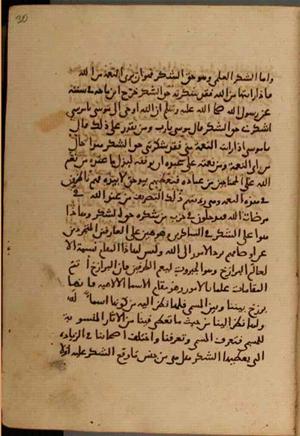
Manuscript imageManuscript volume 14 · Page 60

Arabic and English are linked by the same Konya page ID. Page alignment is approximate; consult the manuscript image for verification.

Cairo source reference

Ibn al-Arabi, The Meccan Revelations — Manuscript volume 14 · Page 60 — https://www.futmak.com/english/konya/pages.php?id=4122&text=both