
Futmak · الفتوحات المكية · Meccan Revelations

The Meccan Revelations

Manuscript volume 7 · Page 93

Konya manuscript

Open Arabic sourceOpen English translation

Arabic

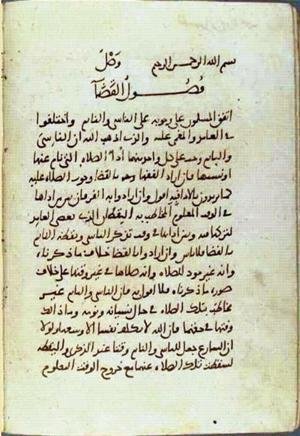
بِسْمِ اللهِ الرَّحْمٰنِ الرَّحِيمِ

وصل فصول القضاء

اتفق المسلمون على وجوبه على الناسي والنائم، واختلفوا في العامد والمغمى عليه.

(القضاء والأداء ووقت التكليف)

والذي أذهب إليه أن الناسي والنائم وجب على كل واحد منهما أداء الصلاة التي نام عنها أو نسيها.

فإن أراد الفقهاء بالقضاء وجوب الصلاة عليه كما يريدون بالأداء فبه أقول.

وإن أرادوا به الفرقان بين من أداها في الوقت المعلوم المخاطب به اليقظان الذي يعصي العامد لتركها فيه وبين أدائها في وقت تذكر الناسي ويقظة النائم بالقضاء، فلا بأس.

وإن أرادوا بالقضاء خلاف ما ذكرناه وإنه غير مؤد للصلاة وإنه صلاها في غير وقتها[42] على خلاف صورة ما ذكرناه، فلا أقول به.

فإن الناسي والنائم غير مخاطب بتلك الصلاة، في حال نسيانه ونومه، وما ذٰلك وقتها في حقهما، فإن الله لا يكلف نفسا إلا وسعها.

ولو لا إن الشارع جعل للناسي والنائم وقتا عند الذكرى واليقظة، لسقطت تلك الصلاة عنهما، مع خروج الوقت المعلوم

Notes

[42]

(يناقش المؤلف تسمية الصلاة قضاءً، ويرى أن وقت التكليف للناسي عند الذكر وللنائم عند اليقظة؛ فلا ينفي أصل وجوب الصلاة عليهما.)
English

In the name of God, the All-Merciful, the Ever-Merciful.

Continuation on the Sections on Making Up Prayer

The Muslims agree that this is obligatory for the person who forgot and the person who slept. They disagree about the person who deliberately omitted it and the person who lost consciousness.

(Making Up, Performance, and the Time of Obligation)

My view is that both the one who forgot and the one who slept are obliged to perform the prayer they missed through sleep or forgetfulness.

If by “making up” the jurists mean that the prayer is obligatory for the person, as they do by “performance,” then that is my view.

If by “making up” they mean to distinguish between performing it at the known time, when the command addresses the person who is awake and the deliberate omission of prayer is a sin, and performing it when the person who forgot remembers or the person who slept wakes, there is no objection.

If by “making up” they mean something other than what we have described, namely that the person is not performing the prayer and that he prayed it outside its time[42], contrary to the account we have given, then I do not agree.

The person who forgot and the person who slept are not addressed by the command for that prayer while they are forgetful or asleep. That is not its time for them, for God charges no soul beyond its capacity.

Had the Lawgiver not assigned the person who forgot and the person who slept a time when they remember or wake, the prayer would have ceased to be obligatory for them once the time known

Notes

[42]

(The author discusses calling the prayer “making up.” He holds that the time of obligation for the person who forgot is upon remembering and for the person who slept is upon waking. He does not deny that the prayer itself is obligatory for them.)

Translator’s note TN1987-1: Qaḍāʾ is the jurists’ term for making up an act, while adāʾ means performing it. The author accepts the obligation to pray upon remembering or waking and takes that moment to be the prayer’s appointed time for the person concerned.

Manuscript imageManuscript volume 7 · Page 93

Arabic and English are linked by the same Konya page ID. Page alignment is approximate; consult the manuscript image for verification.

Cairo source reference

Ibn al-Arabi, The Meccan Revelations — Manuscript volume 7 · Page 93 — https://www.futmak.com/english/konya/pages.php?id=1987&text=both