
Futmak · الفتوحات المكية · Meccan Revelations

The Meccan Revelations

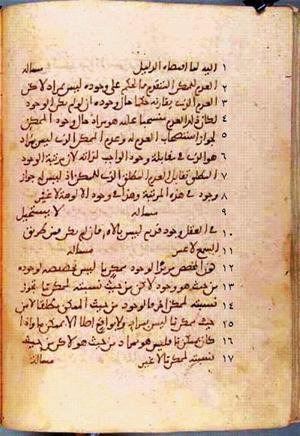
Manuscript volume 1 · Page 153

Konya manuscript

Open Arabic sourceOpen English translation

Arabic

إليه لِمَا اقتضاه الدَّليل.

مسألة (37) (عدم المُمكن)

العدمُ للمُمكن المتقدِّم بالحُكم على وجوده ليس بمراد، لكنِ العدمُ الَّذي يقارنُه حكماً حالَ وجوده، أن لو لَم يكن الوُجود لكان ذٰلك العدمُ منسحباً عليه، هو مرادٌ حالَ وجود الممكن لجواز استصحاب العَدَمِ له.

و(أمّا) عدمُ المُمكن الَّذي ليس بمرادٍ (فـ)هو الَّذي في مقابلة وجودِ الواجبِ لذاتِهِ، لأنَّ مرتبةَ الوُجود المُطْلَقِ تُقابِلُ العَدَمَ المُطلقِ الَّذي للمُمكن؛ إذ ليس له جوازُ وجود في هذه المرتبة. وهٰذا في وُجود الألوهَة لا غير (وليس في وجود الذَّات).

مسألة (38) (وجود القديم)

لا يستحيل في العقل وُجودُ قديمٍ ليس بإلٰه، فإنْ لم يكن فمِنْ طَريقِ السَّمعِ لا غير (أي إنّ العقل لا يحيلُه ولكنَّ دليلنا على عدمِ وجودِ قديمٍ غير الله تعالى إنّما هو دليلٌ نقلي وليس دليلاً عقلياً).[199]

مسألة (39) (التخصيص والإرادة)

كون المخصِّص مريداً لِوجود ممكنٍ مّا ليس (هو) تخصيصُه لوجودِه من حيث هو وجودٌ لكنْ من حيثُ نسبتِه لِمُمكنٍ مّا تجوز نسبتُه لِمُمكنٍ آخر؛ فالوُجود من حيث المُمكن مطلقاً -لا من حيث ممكنٍ مّا- ليس بمرادٍ ولا بواقعٍ أصلاً، إلاَّ بممكنٍ مّا، وإذا كان بممكنٍ مّا فليس هو بمرادٍ من حيثُ هو، لكن من حيثُ نِسبتُهِ لممكنٍ مّا لا غير.[200]

مسألة (40) (غنى الواجب)

Notes

[199]

ولقد ناقش ابن العربي اختلاف الآراء حول إمكانيّة وجود قديم مع الله تعالى والأقوال المختلفة في ذٰلك في كتاب الأزل، المطبوع ضمن مجموعة "رسائل ابن عربي"، طبعة حيدر آباد.

[200]

هذه نتيجة على غاية كبيرة من الأهمّية وهي تشرح مبدأ الخلق المتسلسل؛ أي إنَّ وجود الممكن (أي العالَم) لا يكون دفعة واحدة كما نتوهَّمه ونراه بخيالنا، بل الحقيقة أنَّ أعيان الموجودات وهي -ممكنة الوجود- تكتسب الوجود بترجيح الواجب الوجود –أي الله سبحانه الخالق البارئ- لها واحدة تلو الأخرى. ولقد شرحنا هٰذا المبدأ بالتَّفصيل واعتمدناه كأحد أسس نظريَّة الجوهر الفرد التي شرحناها في كتاب نظريَّة الجوهر الفرد ومفهوم الزَّمن عند ابن العربي (ص: ؟؟؟).
English

on the basis of what the proof requires.

Question (37): (The Nonexistence of the Possible)

The nonexistence of a possible thing, prior in ruling to its existence, is not willed. But the nonexistence that accompanies it in ruling while it exists—such that, were existence absent, that nonexistence would extend over it—is willed while the possible thing exists, since nonexistence could continue to apply to it.

The nonexistence of the possible that is not willed is that which stands opposite the existence of the Necessary in Itself. For the rank of absolute existence stands opposite the absolute nonexistence belonging to the possible, since the possible cannot exist at this rank. This pertains only to the existence of Divinity (not to the existence of the Essence).

Question (38): (The Existence of Something Beginningless)

The existence of something beginningless that is not God is not rationally impossible. If no such thing exists, this is established only through transmitted revelation (that is, reason does not rule it out; our proof that nothing beginningless exists other than God is transmitted, not rational).[199]

Question (39): (Specification and Will)

The Specifier’s willing the existence of a particular possible thing is not His specification of existence as existence, but of existence in relation to a particular possible thing, when it could relate to another possible thing. Existence in respect of the possible in general, rather than a particular possible thing, is neither willed nor realized at all except through some particular possible thing. When it is through a particular possible thing, it is not willed as existence in itself, but only in its relation to that particular possible thing.[200]

Question (40): (The Self-Sufficiency of the Necessary Existent)

Notes

[199]

Ibn al-Arabi discussed the differing views on the possibility of something beginningless existing with God in Kitab al-Azal, printed in the Hyderabad collection Rasail Ibn Arabi.

[200]

This is an extremely important conclusion that explains the principle of sequential creation. The existence of the possible—that is, the cosmos—does not occur all at once, as we imagine and see through our imagination. In reality, the entities of existents, whose existence is possible, acquire existence one after another through the Necessary Existent—God, glory be to Him, the Creator and Originator—giving them preponderance. We explained this principle in detail and adopted it as one of the foundations of the Single Monad theory, set out in Nazariyyat al-Jawhar al-Fard and Mafhum al-Zaman inda Ibn al-Arabi (p. ??? [reference unfinished in the source]).

Manuscript imageManuscript volume 1 · Page 153

Arabic and English are linked by the same Konya page ID. Page alignment is approximate; consult the manuscript image for verification.

Cairo source reference

Ibn al-Arabi, The Meccan Revelations — Manuscript volume 1 · Page 153 — https://www.futmak.com/english/konya/pages.php?id=153&text=both