The Meccan Revelations

Manuscript volume 5 · Page 102

Konya manuscript

Open Arabic sourceOpen English translation

Arabic

دخل عليه، وهو سيده الذي أوجده. فيقف بين يديه وقوف غيره من العبيد الذين أنزلوا نفوسهم بطلب الأجرة منزلة الأجانب،[16] فوقف هٰذا العبد في محل الإذلال لا بصفة الإدلال، بالدال اليابسة.

فمن غلب على خاطره رياسة بعض القوي على غيرها وجب عليه مسح ذٰلك البعض، من أجل الوصلة التي يطلبها بهذه العبادة. ولهٰذا لم يشرع مسح الرأس في التيمم، لأن وضع التراب على الرأس من علامة الفراق، وهو المصيبة العظمى، إذ كان الفاقد حبيبه بالموت يضع التراب على رأسه.

فلما كان المطلوب بهذه العبادة الوصلة لا الفرقة، لهٰذا لم يشرع مسح الرأس في التيمم. فامسح على حد ما ذكرناه لك ونبهناك عليه، وتفصيل رياسات القوي معلوم عند الطائفة، لا أحتاج إلى ذكره.

(اعتبار اليد التي تمسح)

وأما التبعيض في اليد التي يمسح بها واختلافهم في ذٰلك، فاعمل فيه كما تعمل في الممسوح سواء. فإن المزيل لهذه الرئاسة أسباب مختلفة في القدرة على ذٰلك، ومحل ذٰلك اليد.

فمن مزيل بصفة القهر، ومن مزيل بسياسة وترغيب، كما يمسح الإنسان بيده رأس اليتيم جبرا لانكساره بلطف وحنان. فلهٰذا ترجع بعضية اليد في المسح وكليته، فاعلم ذٰلك.

(الباء والتبعيض والقدرة الحادثة)

ولما كان الموجب لهٰذا

Notes

[16]

(ضُبطت الكلمة «الأجانب» وفق الطبعة الأحدث، في وصف من طلب الأجرة.)
English

he has entered, his Master who brought him into existence. He stands before Him as do the other servants, who have put themselves in the position of outsiders by seeking a wage.[16] This servant stands in the place of being humbled, without the quality of presumptuous familiarity. The latter word is written with an unpointed dāl.

When the headship of some faculties over others predominates in a person’s thought, it is incumbent upon him to wipe that part on account of the connection he seeks through this act of worship. This is why wiping the head is not prescribed in dry ablution. Putting dust on the head signifies separation, the greatest calamity, for someone who loses his beloved to death puts dust on his head.

Since what is sought in this act of worship is connection rather than separation, wiping the head is not prescribed in dry ablution. Wipe, then, within the bounds of what we have explained and drawn to your attention. The people of the path know the details of the faculties’ various kinds of headship. I need not mention them.

(The Inward Application of the Hand Used to Wipe)

As for using part of the hand to wipe, and the disagreement about it, apply the same principle to the hand as you apply to what is wiped. The means that remove this headship differ according to the power they have to do so, and the hand is their locus.

Some remove it through the quality of subduing, and others through judicious guidance and encouragement, as one wipes an orphan’s head with one’s hand, gently and tenderly, to mend the orphan’s brokenness. To this goes back the use of part or all of the hand in wiping. Know this.

(The Letter Bāʾ, Partiality, and Originated Power)

Since the occasion for this

Notes

[16]

(The word ajānib, “outsiders,” has been established according to the newer edition in the description of those who seek a wage.)

Translator’s note TN1378-1: Idhlāl (with dhāl) means being brought low. Idlāl (with unpointed dāl) denotes the presumption that can accompany familiarity or favor. The nearly identical forms account for the author’s reference to the letter.

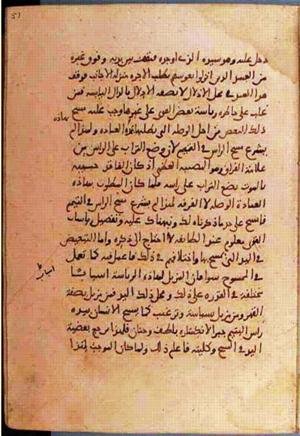
Manuscript imageManuscript volume 5 · Page 102

Arabic and English are linked by the same Konya page ID. Page alignment is approximate; consult the manuscript image for verification.

Cairo source reference

Ibn al-Arabi, The Meccan Revelations — Manuscript volume 5 · Page 102 — https://www.futmak.com/english/konya/pages.php?id=1378&text=both