
Futmak · الفتوحات المكية · Meccan Revelations

The Meccan Revelations

Manuscript volume 32 · Page 248

Konya manuscript

Open Arabic sourceOpen English translation

Arabic

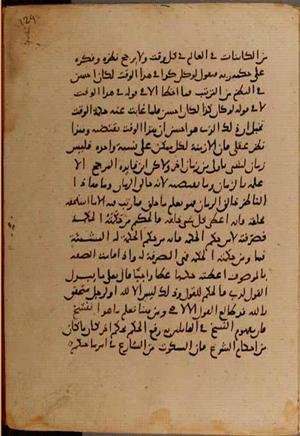
من الكائنات في العالَم في كل وقت.

ولا يرجح نظره وفكره على حكمة ربه فيقول: «لو كان كذا في هٰذا الوقت لكان أحسن في النظم من الترتيب». فما أخطأ إلا في قوله «في هٰذا الوقت»، لا في قوله «لو كان كذا لكان أحسن». فلما غابت عنه حكمة الوقت تخيل أن ذٰلك الذي هو أحسن إن هٰذا الوقت يقتضيه.

وهٰذا نظر عقلي، فإن الأزمنة لكل ممكن على نسبة واحدة، فليس زمان لشيء بأولى من زمان آخر. ولكن أين فائدة المرجح إلا علمه بالزمان وما يقتضيه، لأنه خالق الزمان وما هٰذا الناظر خالق الزمان؟ فهو يعلم ما خلق، فما رتب فيه إلا ما استحقه بخلقه، فإنه أعطى كل شيء خلقه [طه: ٥٠].

فالحكيم من حكمته الحكمة فصرفته، لا من حكم الحكمة، فإنه من حكم الحكمة له المشيئة فيها، ومن حكمته الحكمة فهي المصرفة له. وإذا قامت الصفة بالموصوف أعطته حكمها عطاء واجبا. قال تعالى: ﴿ما يُبَدَّلُ الْقَوْلُ لَدَيَّ﴾ [ق: ٢٩]، فالحكم للقول، وذٰلك ليس إلا لله أو لرجل متحقق بالله قد طالع القول الإلهي.

(النسخ واختلاف المواطن)

ومن هنا تعلم ما هو النسخ، فإن مفهوم النسخ في القائلين به رفع الحكم بحكم آخر، كان ما كان من أحكام الشرع. فإن السكوت من الشارع في أمر ما حكم
English

of the beings in the world at every time.

Nor should he prefer his consideration and thought to his Lord’s wisdom, saying, “Had such-and-such been at this time, it would have been better in the arrangement of the order.” He errs only in saying “at this time,” not in saying, “Had it been thus, it would have been better.” Because the wisdom of the time is absent from him, he imagines that this time requires what is better.

This is rational consideration, for times stand in the same relation to every possible thing: no time has a greater claim to a thing than another time. Yet where is the benefit of the preponderator except in His knowledge of time and what it requires? He is the creator of time, whereas this thinker is not the creator of time. He knows what He created and has arranged within it only what its creation deserves, for He “gave everything its creation” [Ta Ha 20:50].

The wise one is the one whom wisdom governs and directs, not the one who governs wisdom. Whoever governs wisdom has choice within it; whoever is governed by wisdom is directed by it. When an attribute subsists in the one described by it, it necessarily imparts its ruling to him. He, Most High, says, “The word is not changed with Me” [Qaf 50:29]. The ruling belongs to the word. This belongs only to God or to a man realized through God who has looked upon the divine word.

(Abrogation and the Difference of Loci)

From here you know what abrogation is. For those who affirm it, abrogation means removing a ruling through another ruling, whatever it may be among the rulings of the Revealed Law. The Lawgiver’s silence concerning an affair is a ruling

Manuscript imageManuscript volume 32 · Page 248

Arabic and English are linked by the same Konya page ID. Page alignment is approximate; consult the manuscript image for verification.

Cairo source reference

Ibn al-Arabi, The Meccan Revelations — Manuscript volume 32 · Page 248 — https://www.futmak.com/english/konya/pages.php?id=9572&text=both