
Futmak · الفتوحات المكية · Meccan Revelations

The Meccan Revelations

Manuscript volume 32 · Page 157

Konya manuscript

Open Arabic sourceOpen English translation

Arabic

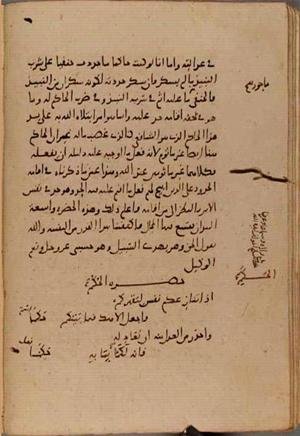
في عدالته. وأما أنا لو كنت حاكما ما حددت حنفيا على شرب النبيذ ما لم يسكر[31]، فإن سكر حددته لكونه سكران من النبيذ.

فالحنفي مأجور ما عليه إثم في شربه النبيذ وفي ضرب الحاكم له، وما هو في حقه إقامة حد عليه، وإنما هو أمر ابتلاه الله به على يد هٰذا الحاكم الذي هو الشافعي، كالذي غصب ماله.

غير إن الحاكم هنا أيضا غير مأثوم، لأنه فعل ما أوجبه عليه دليله أن يفعله، فكلاهما غير مأثوم عند الله. وهٰذا عين ما ذكرناه في إقامة الحدود على الذين أبيح لهم فعل ما أقيم عليه فيه الحد، وهو حد في نفس الأمر بالنظر إلى من أقامه، فاعلم ذٰلك.

وهذه الحضرة واسعة الميدان يتسع فيها المجال، فاكتفينا بهٰذا القدر من التنبيه. والله ﴿يَقُولُ الْحَقَّ وهُوَ يَهْدِي السَّبِيلَ﴾ [الأحزاب: ٤]، وهو حسبي عز وجل و﴿نِعْمَ الْوَكِيلُ﴾.

حضرة الحكم

إذا تنازعكم نفس لتقهركم

فاجعل إلهك فيما بينكم حكما

احذر من العدل منه أن يعادله

فإنه لكما بما به حكما

(الحكم والعدل ونصب الحكمين)

Notes

[31]

(هذا قول المؤلف في المثال الذي يسوقه لاختلاف جهة الحكم؛ وقد قيّده هنا بعدم السكر ثم صرّح بحكمه عند السكر في الجملة التالية.)
English

his integrity. As for me, were I a judge, I would not inflict a prescribed penalty upon a Hanafi for drinking nabīdh unless he became drunk[31]. If he became drunk, I would inflict it because he was drunk from nabīdh.

The Hanafi is rewarded and bears no sin in drinking nabīdh or in the judge’s beating him. In his case this is not the enforcement of a prescribed penalty, but an affair through which God has tried him at the hands of this Shafiʿi judge, like someone whose property is usurped.

Here, however, the judge also bears no sin, for he has done what his proof obliged him to do. Neither of them bears sin before God. This is precisely what we have mentioned concerning enforcing penalties upon those permitted to perform the act for which the penalty is enforced. It is a prescribed penalty in the affair itself when considered from the standpoint of the one enforcing it. Know this.

This Presence is a wide field with ample scope. We have therefore limited ourselves to this measure of indication. God “speaks the truth, and He guides the way” [al-Ahzab 33:4]. He, mighty and majestic, suffices me, and is “an excellent Trustee.”

The Presence of Judgment

If a soul contends with you to overpower you,

make your God a judge between you.

Beware of justice from Him, lest He equate him;

for He belongs to you both through that by which He has judged.

(Judgment, Justice, and Appointing Two Arbiters)

Notes

[31]

(This is the author’s view within the example he gives to illustrate the differing aspect of judgment. Here he qualifies it by the absence of intoxication, then explicitly states his ruling concerning intoxication in the following sentence.)

Translator’s note: In “lest He equate him,” the divine subject is inferred from context; the pronoun and comparison remain compressed. ʿAdl also carries the sense of an equal or counterpart.

Manuscript imageManuscript volume 32 · Page 157

Arabic and English are linked by the same Konya page ID. Page alignment is approximate; consult the manuscript image for verification.

Cairo source reference

Ibn al-Arabi, The Meccan Revelations — Manuscript volume 32 · Page 157 — https://www.futmak.com/english/konya/pages.php?id=9481&text=both