
Futmak · الفتوحات المكية · Meccan Revelations

The Meccan Revelations

Manuscript volume 32 · Page 129

Konya manuscript

Open Arabic sourceOpen English translation

Arabic

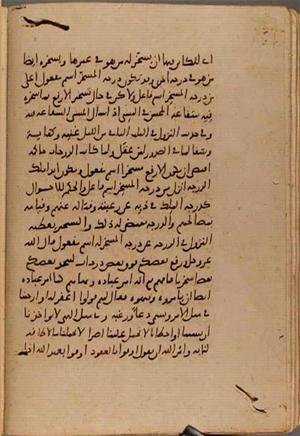
أي للكائن فيها، إن يسخر له من هو في غيرها، ويسخره أيضا من هو في درجة أخرى.

وقد تكون درجة المسخَّر، اسم مفعول، أعلى من درجة المسخِّر، اسم فاعل. ولكن في حال تسخير الأرفع بما سخره فيه شفاعة المحسن في المسيء إذا سأل المسيء الشفاعة فيه. وفي حديث النزول في الثلث الباقي من الليل غنية وكفاية و﴿شِفاءٌ لِما في الصُّدُورِ﴾ [يونس: ٥٧] لمن عقل.

ولما كانت الدرجة حاكمة اقتضى أن يكون الأرفع مسخَّرا، اسم مفعول، وتكون أبدا تلك الدرجة أنزل من درجة المسخِّر، اسم فاعل. والحكم للأحوال، كدرجة الملك في ذبه عن رعيته وقتاله عنهم وقيامه بمصالحهم، والدرجة تقتضي له ذٰلك. والتسخير يعطيه النزول في الدرجة عن درجة المسخَّر له، اسم مفعول.

(الأمر والدعاء وحكم المرتبة)

قال الله عز وجل: ﴿ورَفَعْنا بَعْضَهُمْ فَوْقَ بَعْضٍ دَرَجاتٍ لِيَتَّخِذَ بَعْضُهُمْ بَعْضاً سُخْرِيًّا﴾ [الزخرف: ٣٢]، فافهم. ثم إنه أمر عباده ونهاهم، كما أمر عباده أيضا أن يأمروه وينهوه، فقال لهم: قولوا «اغفر لنا وارحمنا»، في مثل الأمر ويسمى دعاء ورغبة.

وفي مثل النهي: ﴿لا تُؤاخِذْنا إِنْ نَسِينا أَوْ أَخْطَأْنا﴾، ﴿لا تَحْمِلْ عَلَيْنا إِصْراً﴾، ﴿لا تُحَمِّلْنا ما لا طاقَةَ لَنا به﴾ [البقرة: ٢٨٦]. وأمر الله أن نقول: ﴿أَوْفُوا بِالْعُقُودِ﴾ [المائدة: ١]، ﴿أَوْفُوا بِعَهْدِ الله إِذا
English

meaning the one occupying it—that someone in another degree be made to serve him, while someone in a further degree also makes him serve.

The degree of the one made to serve—the passive participle—may be higher than the degree of the one who makes another serve—the active participle. Yet the higher one’s subjection concerns the particular matter in which he is made to serve, as when a good person intercedes for an evildoer at the evildoer’s request for intercession. In the report of descent during the remaining third of the night there is sufficiency, adequacy, and ‘healing for what is in the breasts’ [Yunus 10:57] for whoever understands.

Since the degree governs, it entails that the higher one be made to serve—the passive participle—and that this degree always be lower than the degree of the one who makes another serve—the active participle. The ruling belongs to states, as with the king’s degree in defending his subjects, fighting for them, and attending to their interests: his degree requires this of him. Being made to serve gives him descent in degree beneath the degree of the one served—the passive participle.

(Command, Supplication, and the Ruling of Rank)

God said, mighty and majestic is He, ‘We raised some of them above others by degrees, so that some might take others into service’ [al-Zukhruf 43:32]. Understand this. He commanded His servants and prohibited them, just as He also commanded His servants to command and prohibit Him. He told them: say, ‘Forgive us and have mercy on us,’ in the form of a command, though it is called supplication and entreaty.

In the form of prohibition are ‘Do not call us to account if we forget or err,’ ‘Do not lay a burden upon us,’ and ‘Do not burden us with what we have no strength to bear’ [al-Baqara 2:286]. God commanded us to say, ‘Fulfill contracts’ [al-Ma’ida 5:1], ‘Fulfill God’s covenant when you

Manuscript imageManuscript volume 32 · Page 129

Arabic and English are linked by the same Konya page ID. Page alignment is approximate; consult the manuscript image for verification.

Cairo source reference

Ibn al-Arabi, The Meccan Revelations — Manuscript volume 32 · Page 129 — https://www.futmak.com/english/konya/pages.php?id=9453&text=both