
Futmak · الفتوحات المكية · Meccan Revelations

The Meccan Revelations

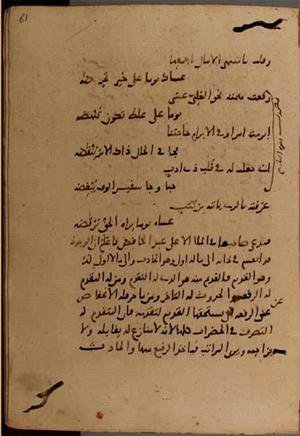
Manuscript volume 32 · Page 122

Konya manuscript

Open Arabic sourceOpen English translation

Arabic

و قلت يا منتهى الآمال أجمعها

عساك يوما على خير تحرضه

عرفته بالذي يأتيه من كتب

عساه يوما يراه الحق يرفضه

(الرفعة والخفض والتقدم والحدوث)

فيُدعى صاحبها في الملأ الأعلى عبد الخافض. فاعلم إن الوجود قد انقسم في ذاته إلى ما له أول وهو الحادث، وإلى ما لا أول له وهو القديم. فالقديم منه هو الذي له التقدم، ومن له التقدم له الرفعة، والحدوث له التأخر، ومن تأخر فله الانخفاض عن الرفعة التي يستحقها القديم لتقدمه.

فإن المتقدم له التصرف في الحضرات كلها، لأنه لا منازع له يقابله ولا يزاحمه، ويرى المراتب فيأخذ الرفيع منها. والحادث
English

I said: O utmost end of all hopes,

perhaps one day you will urge him toward good.

I acquainted him with what comes to him of writings;

perhaps one day he will see the Real rejecting him.

(Elevation, Lowering, Precedence, and Temporal Origination)

Its practitioner is called Servant of the Lowerer within the higher assembly. Know that existence is intrinsically divided into what has a beginning, the temporally originated, and what has no beginning, the eternal. The eternal has precedence, and whoever has precedence has elevation. Temporal origination has delay, and whoever is delayed has lowering from the elevation the eternal deserves through its precedence.

The one with precedence controls all presences, for he has no disputant confronting or crowding him. He sees the ranks and takes the lofty among them. The temporally originated

Manuscript imageManuscript volume 32 · Page 122

Arabic and English are linked by the same Konya page ID. Page alignment is approximate; consult the manuscript image for verification.

Cairo source reference

Ibn al-Arabi, The Meccan Revelations — Manuscript volume 32 · Page 122 — https://www.futmak.com/english/konya/pages.php?id=9446&text=both