The Meccan Revelations

Manuscript volume 32 · Page 16

Konya manuscript

Open Arabic sourceOpen English translation

Arabic

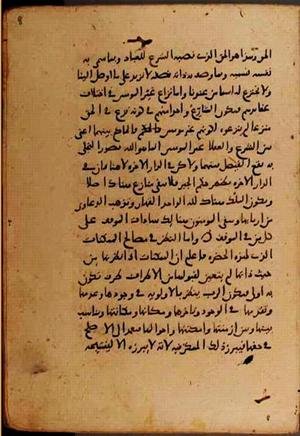
الحق، وهٰذا هو الحق الذي نصبه الشرع للعباد. وبما سمي به نفسه نسميه، وبما وصف به ذاته نصفه، لا نزيد على ما أوصل إلينا، ولا نخترع له أسماء من عندنا.

وأما نزاع غير المؤمنين في اختلاف عقائدهم، فيكون الشارع واحدا منهم في كونه نزع في الحق منزعا لم ينزعوه، لكونهم غير مؤمنين. فالحاكم بينهما، أعني بين الشرع والعقلاء غير المؤمنين، إنما هو الله، بصور التجلي به يقع الفيصل بينهما، ولكن في الدار الآخرة لا هنا.

فإن في الدار الآخرة يظهر حكم الجبر، فلا يبقى منازع هناك أصلا، ويكون الملك هناك لله الواحد القهار [غافر: ١٦]، وتذهب الدعاوى من أربابها، ويبقى المؤمنون هنالك سادات الموقف على كل من في الموقف.

(النظر في مصالح الممكنات)

وأما النظر في مصالح الممكنات الذي لهذه الحضرة، فاعلم أن الممكنات إذا نظرتها من حيث ذاتها لم يتعين لقبولها من الأطراف طرف تكون به أولى. فيكون الرب ينظر بالأولوية في وجودها وعدمها، وتقدمها في الوجود وتأخرها، ومكانها ومكانتها، ويناسب بينها وبين أزمنتها وأمكنتها وأحوالها.

فيعمد إلى الأصلح في حقها، فيبرز ذٰلك الممكن فيه، لأنه لا يبرزه إلا ليسبحه
English

the Real. This is the Real whom the Revealed Law has established for the servants. We name Him by what He has named Himself and describe Him by what He has described His essence, adding nothing to what He has conveyed to us and inventing no names for Him from ourselves.

As for the dispute of unbelievers over their differing beliefs, the Lawgiver is one of them insofar as he takes an approach concerning the Real that they have not taken, since they do not believe. The judge between the two—I mean between the Revealed Law and the unbelieving rational thinkers—is only God. Through the forms of His self-disclosure the decision between them occurs, but in the Hereafter, not here.

In the Hereafter the ruling of compulsion appears, leaving no disputant there at all. Kingship there belongs to God, the One, the Subduer [Ghafir 40:16]. Claims depart from their claimants, and the believers remain there as masters of the Standing over everyone within it.

(Considering the Welfare of the Possible Things)

As for this presence’s consideration of the welfare of the possible things, know that when you consider possible things in terms of their essences, no alternative among the alternatives they receive is determined as having prior claim over another. The Lord considers what has priority concerning their existence and nonexistence, their precedence and delay in existence, their place and standing. He establishes the correspondences between them and their times, places, and states.

He intends what is most beneficial in the possible thing’s case and brings it forth therein, for He brings it forth only that it may glorify Him

Manuscript imageManuscript volume 32 · Page 16

Arabic and English are linked by the same Konya page ID. Page alignment is approximate; consult the manuscript image for verification.

Cairo source reference

Ibn al-Arabi, The Meccan Revelations — Manuscript volume 32 · Page 16 — https://www.futmak.com/english/konya/pages.php?id=9340&text=both