
Futmak · الفتوحات المكية · Meccan Revelations

The Meccan Revelations

Manuscript volume 31 · Page 129

Konya manuscript

Open Arabic sourceOpen English translation

Arabic

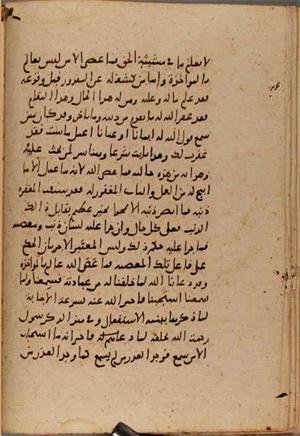
لا يعلم ما في مشيئة الحق، فما عصى إلا من ليس بعالم بالمؤاخذة.

(كشف المقدور وسبق المغفرة)

وأما من كشف له عن المقدور قبل وقوعه فقد علم ما له وعليه، ومن له هٰذا الحال وهٰذا المقام فقد غفر الله له ما تقدم من ذنبه وما تأخر، وقد كان ممن سمع قول الله له إيمانا أو عيانا: «اعمل ما شئت فقد غفرت لك». وهٰذا ثابت شرعا.

وهنا سر لمن بحث عليه، وهو أنه من هذه حالته فما عصى الله؛ لأنه ما عمل إلا ما أبيح له من العمل، والثاني المغفور له فقد سبقت المغفرة ذنبه، فما أبصر ذنبه إلا ممحوا بخير عظيم يقابل ذٰلك الذنب، فعلى كل حال وإن جرى عليه لسان ذنب ومعصية، فما جرى عليه حكم ذٰلك، وليس المعتبر إلا جريان الحكم على فاعل تلك المعصية، فما عصى الله عالم بالمؤاخذة.

(سرعة الاستجابة)

وقد دعانا الله لما خلقنا له من عبادته، فسمعنا ولما سمعنا استجبنا، فأخبر الله عنه بسرعة الإجابة لما ذكرها ببنية الاستفعال.

(السماع والعذر وشمول الرحمة)

وفي هٰذا الذكر شمول رحمة الله بخلقه، لمّا دعا فأخبر أنه ما استجاب إلا من سمع، فوجد العذر من لم يسمع كما وجد العذر من
English

does not know what is within the Real’s will. Thus only one who does not know that he will be held accountable has disobeyed.

(Unveiling What Is Decreed and the Precedence of Forgiveness)

As for one to whom what is decreed has been unveiled before its occurrence, he knows what is for him and against him. Whoever has this state and station has been forgiven by God for his past and future sins. He is among those who have heard God say to him, through faith or direct vision, “Do whatever you wish, for I have forgiven you.” This is established in the Revealed Law.

Here there is a secret for one who investigates it: someone whose state is this has not disobeyed God, for he has done only the work permitted to him. Second, the forgiven person’s forgiveness has preceded his sin, so he sees his sin only as effaced through a tremendous good corresponding to that sin. In every case, although the language of sin and disobedience applies to him, its ruling does not apply to him. What matters is only the application of the ruling to the doer of that disobedience. No one knowing that he will be held accountable has disobeyed God.

(Swiftness of Response)

God called us to that for which He created us: His worship. We heard, and when we heard, we responded. God reported concerning him the swiftness of response when He expressed it through the form istifʿāl.

(Hearing, Excuse, and All-Encompassing Mercy)

This remembrance contains the encompassing of His creation by God’s mercy. When He called, He reported that only one who heard responded. One who did not hear thus found an excuse, just as an excuse was found by one

Manuscript imageManuscript volume 31 · Page 129

Arabic and English are linked by the same Konya page ID. Page alignment is approximate; consult the manuscript image for verification.

Cairo source reference

Ibn al-Arabi, The Meccan Revelations — Manuscript volume 31 · Page 129 — https://www.futmak.com/english/konya/pages.php?id=9187&text=both