
Futmak · الفتوحات المكية · Meccan Revelations

The Meccan Revelations

Manuscript volume 31 · Page 117

Konya manuscript

Open Arabic sourceOpen English translation

Arabic

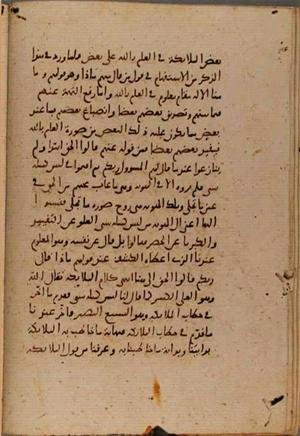
بعض الملائكة في العلم بالله على بعض، فلما ورد في هٰذا الذكر من الاستفهام في قول من قال منهم «ما ذا» وهو قولهم: ﴿وما مِنَّا إِلَّا لَهُ مَقامٌ مَعْلُومٌ﴾ [الصافات: ١٦٤] في العلم بالله.

(تصديق الملائكة بعضهم بعضا)

وأما رفع التهمة عنهم فيما بينهم، وتصديق بعضهم بعضا، وانصباغ بعضهم بما عند بعض مما يكون عليه ذٰلك البعض من صورة العلم بالله، فيفيد بعضهم بعضا، فمن قوله عنهم: ﴿قالُوا الْحَقَّ﴾ [سبإ: ٢٣] ابتداء، ولم ينازعوا عند ما قال لهم المسئول «ربكم».

(الهوية والتنزيه)

ثم أقيموا في ﴿لَيْسَ كَمِثْلِهِ شَيْءٌ﴾ [الشورى: ١١] فلم يروه إلا في الهوية، وهي ما غاب عنهم من الحق في عين ما تجلى، وتلك الهوية هي روح صورة ما تجلى، فنسبوا إليها أعني إلى الهوية، من ﴿لَيْسَ كَمِثْلِهِ شَيْءٌ﴾ العلو عن التقييد والكبرياء عن الحصر.

فقالوا، بل قال عن نفسه، وهو المعلوم عندنا الذي أعطاه الكشف، عند قولهم: ﴿ما ذا قالَ رَبُّكُمْ؟ قالُوا الْحَقَّ﴾ إلى هنا انتهى كلام الملائكة، فقال الله: ﴿وهُوَ الْعَلِيُّ الْكَبِيرُ﴾ [سبأ: ٢٣] كما قال لنا: ﴿لَيْسَ كَمِثْلِهِ شَيْءٌ﴾ [الشورى: ١١].

فقدم ما أخر في خطاب الملائكة، ﴿وهُوَ السَّمِيعُ الْبَصِيرُ﴾ [الشورى: ١١] فأخر عندنا ما قدم في خطاب الملائكة، فنهاية ما خاطب به الملائكة بدايتنا، وبداية ما خاطبنا به وعرفنا من قول الملائكة
English

of some angels over others in knowledge of God, it comes from the questioning in this invocation by those among them who said, ‘What?’ This is their saying, ‘None of us is without a known station’ [al-Saffat 37:164] in knowledge of God.

(The Angels’ Affirmation of One Another)

As for suspicion being lifted between them, their affirming one another, and some being colored by what others possess of a form of knowledge of God, so that they benefit one another, this comes from His initial saying concerning them, ‘They said, “Truth”’ [Sabaʾ 34:23]. They did not dispute when the one questioned said to them, ‘Your Lord.’

(Identity and Incomparability)

They were then established in ‘There is nothing like His likeness’ [al-Shura 42:11]. They saw Him only within the identity: what of the Real was hidden from them within the very self-disclosure. That identity is the spirit of the form in which He disclosed Himself. Through ‘There is nothing like His likeness,’ they attributed to it—I mean the identity—elevation above delimitation and grandeur above confinement.

They said—rather, He said of Himself, which is what we know through unveiling—at their saying, ‘What did your Lord say? They said, “Truth.”’ Here the angels’ speech ended. God said, ‘He is the High, the Great’ [Sabaʾ 34:23], just as He said to us, ‘There is nothing like His likeness’ [al-Shura 42:11].

He placed first what He placed last in the address to the angels. ‘He is the Hearing, the Seeing’ [al-Shura 42:11]: He placed last for us what He placed first in the address to the angels. The end of His address to the angels is our beginning; the beginning of what He addressed us with and made known to us from the angels’ speech

Manuscript imageManuscript volume 31 · Page 117

Arabic and English are linked by the same Konya page ID. Page alignment is approximate; consult the manuscript image for verification.

Cairo source reference

Ibn al-Arabi, The Meccan Revelations — Manuscript volume 31 · Page 117 — https://www.futmak.com/english/konya/pages.php?id=9175&text=both