The Meccan Revelations

Manuscript volume 30 · Page 32

Konya manuscript

Open Arabic sourceOpen English translation

Arabic

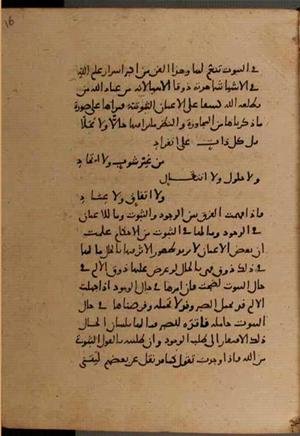
في الثبوت تنعم لها.

(شهود الأعيان الثبوتية)

وهٰذا الفن من أكبر أسرار علم الله في الأشياء شاهدته ذوقا إلهيا؛ لأن من عباد الله من يطلعه الله كشفا على الأعيان الثبوتية، فيراها على صورة ما ذكرناها من المجاورة والنظر، ما يرى فيها حالا ولا محلا:

بل كل ذات على انفراد

من غير شوب ولا اتحاد

و لا حلول ولا انتقال

و لا اتفاق ولا عناد

(اختلاف أثر الحال في الوجود والثبوت)

فإذا فهمت الفرق بين الوجود والثبوت وما للأعيان في الوجود وما لها في الثبوت من الأحكام، علمت إن بعض الأعيان لا تريد ظهور الأثر فيها بالحال، ما لها في ذٰلك ذوق؛ فهي بالحال لو عرض عليها ذوق الألم في حال الثبوت، لضجت.

فإن أمرها في حال الوجود إذا حملت الألم قد تحمل الصبر، وقد لا تحمله، وفرضناها في حال الثبوت حاملة، فاقدة للصبر.

فما لها بلسان الحال ذٰلك الافتقار إلى طلب الوجود وإن طلبته بالقول الثبوتي من الله. فإذا وجدت تقول ـ كما قد نقل عن بعضهم ـ: «ليتني
English

in fixity is a delight for it.

(Witnessing the Entities in Fixity)

This branch is among the greatest secrets of God’s knowledge of things; I witnessed it through divine tasting. For among God’s servants are those whom God acquaints, through unveiling, with the entities in fixity. They see them in the form we have described, neighboring and looking toward one another; they see there neither a state nor a locus:

Rather, each essence stands alone,

Without admixture or union,

Without indwelling or transition,

Without agreement or opposition.

(The Different Effect of the State in Existence and Fixity)

When you understand the difference between existence and fixity, and the rulings belonging to the entities in existence and those belonging to them in fixity, you know that some entities do not want the state’s effect to become manifest within them. They have no tasting of this. Were the taste of pain offered to them in the state of fixity, they would at once cry out.

For in existence, when they carry pain, they may carry patience or may not carry it. We have hypothesized them in the state of fixity as carrying it while lacking patience.

Thus, through the language of their state, they do not have that need to seek existence, even if they ask God for it through speech pertaining to fixity. When they exist, they say—as has been related of some of them—‘Would that I

Manuscript imageManuscript volume 30 · Page 32

Arabic and English are linked by the same Konya page ID. Page alignment is approximate; consult the manuscript image for verification.

Cairo source reference

Ibn al-Arabi, The Meccan Revelations — Manuscript volume 30 · Page 32 — https://www.futmak.com/english/konya/pages.php?id=8840&text=both