The Meccan Revelations

Manuscript volume 21 · Page 38

Konya manuscript

Open Arabic sourceOpen English translation

Arabic

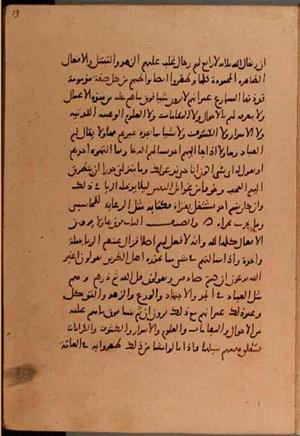
أن رجال الله ثلاثة لا رابع لهم: رجال غلب عليهم الزهد والتبتل والأفعال الظاهرة المحمودة كلها، وطهروا أيضا بواطنهم من كل صفة مذمومة قد ذمها الشارع، غير أنهم لا يرون شيئا فوق ما هم عليه من هذه الأعمال، ولا معرفة لهم بالأحوال ولا المقامات ولا العلوم الوهبية اللدنية ولا الأسرار ولا الكشوف ولا شيئا مما يجده غيرهم.

فهٰؤلاء يقال لهم العباد. وهٰؤلاء إذا جاء إليهم أحد يسألهم الدعاء ربما انتهره أحدهم أو يقول له: «أي شيء أكون أنا حتى أدعو لك؟ وما منزلتي؟» حذرا أن يتطرق إليهم العجب وخوفا من غوائل النفس لئلا يدخله الرياء في ذٰلك.

وإن كان منهم أحد يشتغل بقراءة فكتابه مثل «الرعاية» للمحاسبي وما يجرى مجراه.

(الصوفية)

والصنف الثاني[7] فوق هٰؤلاء يرون الأفعال كلها لله، وأنه لا فعل لهم أصلا؛ فزال عنهم الرياء جملة واحدة، وإذا سألتهم في شيء مما يحذره أهل الطريق، يقولون: ﴿أغير الله تَدْعُونَ إِنْ كُنْتُمْ صادِقِينَ﴾ [الأنعام: ٤٠] ويقولون: ﴿قُلِ الله ثُمَّ ذَرْهُمْ﴾ [الأنعام: ٩١].

وهم مثل العباد في الجد والاجتهاد والورع والزهد والتوكل وغير ذٰلك، غير أنهم مع ذٰلك يرون أن ثم شيئا فوق ما هم عليه من الأحوال والمقامات والعلوم والأسرار والكشوف والكرامات، فتتعلق هممهم بنيلها.

فإذا نالوا شيئا من ذٰلك ظهروا به في العامة

Notes

[7]

(أثبتت «الصنف الثاني» كما في الطبعة المقابلة، موافقة لتقسيم رجال الله إلى ثلاثة أصناف، بدل «النصف الثاني».)
English

that God’s men are of three classes, with no fourth: men dominated by asceticism, devotion, and all praised outward acts. They also purify their inward aspects of every blamed attribute the Lawgiver has blamed. They see nothing above these acts they practice, however, and have no gnosis of states, stations, gifted knowledge from His presence, secrets, unveilings, or anything others find.

These are called worshippers. When someone comes asking their supplication, one may rebuke him or say, “What am I that I should supplicate for you? What is my standing?” They guard against self-admiration reaching them and fear the self’s perils, lest ostentation enter through this.

If any of them occupies himself with reading, his book is something like al-Muhasibi’s al-Riʿaya or its like.

(The Sufis)

The second class[7] is above these. They see all acts as God’s and no act at all as theirs, so ostentation leaves them altogether. If you ask them about something the people of the path beware of, they say, “Do you call upon other than God, if you are truthful?” [al-Anʿam 6:40], and “Say: God, then leave them” [al-Anʿam 6:91].

Like the worshippers, they practice earnestness, striving, scrupulousness, asceticism, trust, and the rest. Unlike them, they see above what they possess further states, stations, sciences, secrets, unveilings, and charismatic gifts, and their aspirations attach to attaining them.

When they attain any of this, they display it among the common people

Notes

[7]

(“The second class,” الصنف الثاني, is retained as in the collated edition, agreeing with the division of God’s men into three classes, in place of “the second half,” النصف الثاني.)

Manuscript imageManuscript volume 21 · Page 38

Arabic and English are linked by the same Konya page ID. Page alignment is approximate; consult the manuscript image for verification.

Cairo source reference

Ibn al-Arabi, The Meccan Revelations — Manuscript volume 21 · Page 38 — https://www.futmak.com/english/konya/pages.php?id=6264&text=both