
Futmak · الفتوحات المكية · Meccan Revelations

The Meccan Revelations

Manuscript volume 17 · Page 107

Konya manuscript

Open Arabic sourceOpen English translation

Arabic

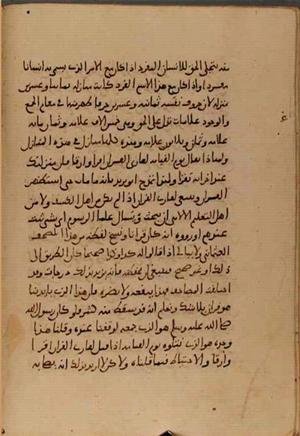
منه يتجلى الحق للإنسان المفرد إذا كان مع الأمر الذي يسمى به إنسانا مفردا. وإذا كان مع هٰذا الاسم الفرد كانت منازله ثمانيا وعشرين منزلة، لأن حروف نفسه ثمانية وعشرون حرفا.

ظهر منها في مقام الجمع والوجود علامات تدل على الحق، وهي خمس آلاف علامة وثمانمائة علامة وثمان وثلاثون علامة، وهذه كلها منازل في هذه المنازل. ولهٰذا يقال يوم القيامة لقارئ القرآن: «اقرأ وارق، فإن منزلتك عند آخر آية تقرأ». ولهٰذا تمدح أبو يزيد بأنه ما مات حتى استظهر القرآن.

وينبغي لقارئ القرآن إذا لم يكن من أهل الكشف ولا من أهل التعليم الإلهي، أن يبحث ويسأل علماء الرسوم: أي شيء ثبت عندهم أو رووه أنه كان قرآنا ونسخ لفظه من هٰذا المصحف العثماني؟ ولا يبالي إذا قالوا له كذا وكذا، صحيحا كان الطريق إلى ذٰلك أو غير صحيح، فينبغي إن يحفظه، فإنه يزيد بذٰلك درجات.

وقد اختلفت المصاحف، فهٰذا ينفعه ولا يضره. فإن هٰذا الذي بأيدينا هو قرآن بلا شك، ونعلم أنه قد سقط منه كثير. فلو كان رسول الله صلى الله عليه وسلم هو الذي جمعه، لوقفنا عنده، وقلنا: هٰذا وحده هو الذي نتلوه يوم القيامة إذا قيل لقارئ القرآن: «اقرأ وارق». والاحتياط فيما قلناه، ولكن لا أريد بذٰلك أنه يصلي به،
English

through it the Real discloses Himself to the singular human being when he is with the matter through which he is called a singular human being. When he is with this singular name, his abodes are twenty-eight, because the letters of his breath are twenty-eight.

From them, in the station of gathering and finding, appeared signs indicating the Real: five thousand, eight hundred, and thirty-eight signs. All these are abodes within these abodes. Hence the Qurʾan’s reciter is told on the Day of Resurrection, “Recite and ascend, for your abode is at the last verse you recite.” Hence Abu Yazid took pride in not dying before committing the Qurʾan to memory.

If the Qurʾan’s reciter is not among the people of unveiling or divine teaching, he should investigate and ask the scholars of formal learning what has been established among them, or what they have transmitted, as having been Qurʾan whose wording was abrogated from this ʿUthmanic codex. He should not mind, when they tell him such-and-such, whether the path of transmission is sound or unsound. He should memorize it, for through it he gains degrees.

The codices have differed, and this benefits him without harming him. What is in our hands is Qurʾan without doubt, and we know that much has fallen away from it. Had the Messenger of God, God bless him and grant him peace, been the one who collected it, we would stop there and say, “This alone is what we recite on the Day of Resurrection when the Qurʾan’s reciter is told, ‘Recite and ascend.’” Caution lies in what we have said. But I do not mean that he prays with it;

Manuscript imageManuscript volume 17 · Page 107

Arabic and English are linked by the same Konya page ID. Page alignment is approximate; consult the manuscript image for verification.

Cairo source reference

Ibn al-Arabi, The Meccan Revelations — Manuscript volume 17 · Page 107 — https://www.futmak.com/english/konya/pages.php?id=5117&text=both