
Futmak · الفتوحات المكية · Meccan Revelations

The Meccan Revelations

Manuscript volume 16 · Page 315

Konya manuscript

Open Arabic sourceOpen English translation

Arabic

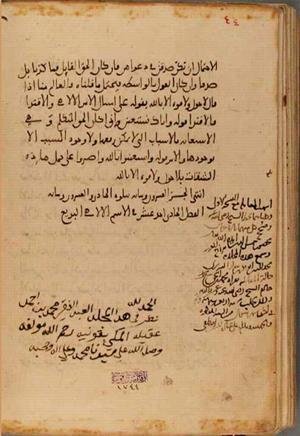
الاحتمال أن يكن صدقن في دعواهن. فإن كان الحق (هو) القائل، فما كذبا بل صدقا، وإن كان القول بالواسطة، فيحتمل ما قلناه.

فالعالم منا إذا قال «لا حول ولا قوة إلا بالله»، يقوله على امتثال الأمر الإلهي والاقتداء. فالاقتداء قوله: ﴿وإياك نستعين﴾ إذا كان الحق المتكلم، وهي الاستعانة بالأسباب التي لا يمكن رفعها ولا وجود المسبب إلا بوجودها.

والأمر قوله: ﴿اسْتَعِينُوا بِاللَّهِ واصْبِرُوا﴾ [الأعراف: ١٢٨] على حمل هذه المشقات بـ«لا حول ولا قوة إلا بالله».

انتهى الجزء العشرون ومائة، يتلوه الحادي والعشرون ومائة؛ الفصل الحادي عشر في الاسم الإلهي البديع. (بانتهاء السفر السادس عشر).
English

possibility that they spoke truthfully in their claim. If the Real is the speaker, the two have not lied but spoken truthfully. If the saying is through an intermediary, what we mentioned remains possible.

When the knower among us says, “There is no might and no power except through God,” he says it in obedience to the divine command and in imitation. Imitation is His saying, “You alone we ask for help,” when the Real is the speaker. This is seeking help through causes that cannot be removed, without whose existence the effect cannot exist.

The command is His saying, “Seek God’s help and be patient” [al-Aʿraf 7:128] in bearing these hardships through “There is no might and no power except through God.”

End of Part One Hundred and Twenty, followed by Part One Hundred and Twenty-One: Section Eleven, on the Divine Name the Incomparable Originator. (The end of Volume Sixteen.)

Manuscript imageManuscript volume 16 · Page 315

Arabic and English are linked by the same Konya page ID. Page alignment is approximate; consult the manuscript image for verification.

Cairo source reference

Ibn al-Arabi, The Meccan Revelations — Manuscript volume 16 · Page 315 — https://www.futmak.com/english/konya/pages.php?id=5009&text=both