
Futmak · الفتوحات المكية · Meccan Revelations

The Meccan Revelations

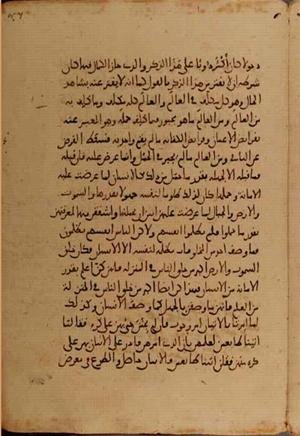
Manuscript volume 16 · Page 314

Konya manuscript

Open Arabic sourceOpen English translation

Arabic

دخولا كان أكثر دؤبا على هٰذا الذكر والذي حاز الكمال فيها، كان شرطه أن لا يفتر من هٰذا الذكر بالقول كما أنه لا يفتر عنه بشاهد الحال وهو كل مكلف في العالم، والعالم كله مكلف وما كلف به من العالم.

(حمل التكليف والأمانة)

ومن العالم ما هو مجبور فيما كلف حمله، وهو المعبر عنه بفرائض الأعيان وفرائض الكفاية ما لم يقم واحد به، فيسقط الفرض عن الباقي.

ومن العالم ما لم يجبر في الحمل[35]، وإنما عرض عليه، فإن قبله فما قبله إلا لجهله بقدر ما حمل من ذٰلك، كالإنسان لما عرضت عليه الأمانة وحملها، كانَ لذٰلك ﴿ظَلُوماً﴾، لنفسه، ﴿جَهُولًا﴾، بقدرها.

والسماوات والأرض والجبال لما عرضت عليهن، فأبين ﴿أَنْ يَحْمِلْنَها وأَشْفَقْنَ مِنْها﴾ [الأحزاب: ٧٢]، لمعرفتهن بقدر ما حملوا، فلم يظلموا أنفسهم. ﴿ولكِنَّ النَّاسَ أَنْفُسَهُمْ يَظْلِمُونَ﴾ [يونس: ٤٤].

فما وصف أحد من المخلوقات بظلمه لنفسه إلا الإنسان؛ فكان خلق السموات والأرض ﴿أَكْبَرُ من خَلْقِ النَّاسِ﴾ [غافر: ٥٧] في المنزلة؛ فإنهن كن أعلم بقدر الأمانة من الإنسان، فبهٰذا كن أيضا أكبر من خلق الناس في المنزلة من العلم؛ فإنهن ما وصفن بالجهل كما وصف الإنسان.

وكذٰلك لما أمرتا بالإتيان، أمر وجوب، فإن لم يجئن جيء بهن على كره، ف﴿قالَتا أَتَيْنا طائِعِينَ﴾ [فصلت: ١١] لعلمهن بأن الذي أمرهن قادر على الإتيان بهن على كره منهن، فقلن: أتينا طائعين.

فالإتيان حاصل، والطوع في معرض

Notes

[35]

(صُوِّب «يجير» إلى «يجبر» بمقابلة الطبعة الجديدة.)
English

entry perseveres more in this remembrance. Whoever attains perfection within it has as a condition never ceasing this remembrance verbally, just as he does not cease it through the witnessing of state. This is every accountable being within the world. The whole world is accountable, and what it is charged with belongs to the world.

(Bearing Accountability and the Trust)

Some within the world are compelled in what they are charged to bear, expressed as individual obligations and communal obligations so long as no one performs them; once someone does, the obligation falls from the rest.

Some within the world are not compelled to bear.[35] It is only offered to them. If they accept, they accept only through ignorance of the measure of what they bear, like the human being when the trust was offered and he bore it, being “wrongdoing” toward himself and “ignorant” of its measure.

When it was offered to the heavens, earth, and mountains, they refused “to bear it and feared it” [al-Ahzab 33:72], knowing the burden’s measure, so they did not wrong themselves. “People wrong themselves” [Yunus 10:44].

No creature is described as wronging itself except the human being. The heavens’ and earth’s creation was therefore “greater than the creation of people” [Ghafir 40:57] in degree: they knew the trust’s measure better than the human being. Through this they were also greater than people’s creation in the degree of knowledge, not having been described through ignorance as the human being was.

Likewise, when the two were commanded to come, a binding command, had they not come they would have been brought unwillingly. They “said, ‘We come willingly’” [Fussilat 41:11], knowing the One commanding them could bring them unwillingly. They said, “We come willingly.”

The coming occurs, while willingness remains within the sphere of

Notes

[35]

(“يجير” has been corrected to “يجبر,” “be compelled,” by comparison with the new edition.)

Manuscript imageManuscript volume 16 · Page 314

Arabic and English are linked by the same Konya page ID. Page alignment is approximate; consult the manuscript image for verification.

Cairo source reference

Ibn al-Arabi, The Meccan Revelations — Manuscript volume 16 · Page 314 — https://www.futmak.com/english/konya/pages.php?id=5008&text=both