
Futmak · الفتوحات المكية · Meccan Revelations

The Meccan Revelations

Manuscript volume 16 · Page 313

Konya manuscript

Open Arabic sourceOpen English translation

Arabic

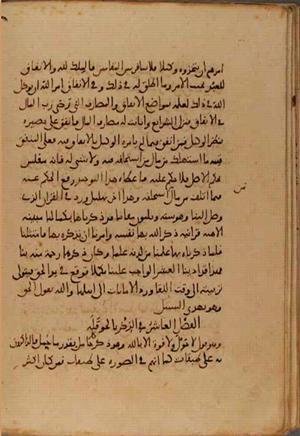
أمرهم أن يتخذوه وكيلا؛ فلا تنافر بين المقامين.

فالملك لله، والإنفاق للعبد بحيث الأمر وما أطلق له في ذٰلك. وفي الإنفاق أمر الله أن يوكل الله في ذٰلك لعلمه بمواضع الإنفاق والمصارف التي ترضي رب المال في الإنفاق فنزل الشرائع، وأبانت له مصارف المال، فأنفق على بصيرة بنظر الوكيل.

فمن أنفق فيما لم يأمره الوكيل بالإنفاق فيه، فعلى المنفق قيمة ما استهلك من مال من استخلفه فيه ولا شيء له؛ فإنه مفلس بحكم الأصل فلا حكم عليه؛ فأعطاه هٰذا التوحيد رفع الحكم عنه في ما أتلف من مال من استخلفه.

وهٰذا آخر تهليل ورد في القرآن[34] الذي وصل إلينا، وهو ستة وثلاثون مقاما، قد ذكرناها بكمالها مبينة إلهية قرآنية؛ ذكر الله بها نفسه وأمرنا أن نذكره بها، فامتثلنا.

فلما ذكرناه بها، علمنا من لدنه علما وكان ذكرها رحمة منه بنا. فهٰذا قد أدينا العشر الواجب علينا مكملا، فوقع في يد الحق فيتولى تربيته إلى وقت اللقاء ورد الأمانات إلى أهلها. ﴿والله يَقُولُ الْحَقَّ وهُوَ يَهْدِي السَّبِيلَ﴾ [الأحزاب: ٤].

الفصل العاشر في الذكر بالحوقلة

وهو قول «لا حول ولا قوة إلا بالله»، وهو ذكر كل حامل بقدر ما حمل. فالذاكرون به على طبقات كما أنهم في الصورة على طبقات، فمن كان أكثر

Notes

[34]

(صُوِّب «القرن» إلى «القرآن» بمقابلة الطبعة الجديدة.)
English

He commands them to take Him as agent. The two stations are not incompatible.

Ownership belongs to God, and expenditure to the servant according to the command and what He permits him within it. In expenditure God commands appointing God as agent, because He knows where spending belongs and the disbursements pleasing the property’s Lord. He sends down revealed laws, making property’s proper disbursements clear. The person spends with insight according to the Agent’s consideration.

Whoever spends where the Agent did not command expenditure owes the value of what he consumed from the property of the One who entrusted him with it. He possesses nothing, being bankrupt by his original ruling, so no ruling falls upon him. This affirmation therefore gives him the lifting of ruling concerning the property he destroyed of the One who appointed him its successor.

This is the last declaration of “no deity but God” occurring within the Qurʾan[34] that has reached us. It comprises thirty-six stations, which we have mentioned completely, explained as divine and Qurʾanic. Through them God remembered Himself and commanded us to remember Him, and we obeyed.

When we remembered Him through them, He taught us knowledge from His presence. Mentioning them was mercy toward us from Him. We have paid the obligatory tithe in full, and it falls into the Real’s hand, who undertakes its cultivation until the time of meeting and returning trusts to their people. “God speaks the truth and guides the way” [al-Ahzab 33:4].

Section Ten: Remembrance through the Hawqala

It is saying, “There is no might and no power except through God,” the remembrance of every bearer according to what he bears. Those remembering through it have levels, as they have levels in form. Whoever has more

Notes

[34]

(“Al-qarn” has been corrected to “al-Qurʾan” by comparison with the new edition.)

Manuscript imageManuscript volume 16 · Page 313

Arabic and English are linked by the same Konya page ID. Page alignment is approximate; consult the manuscript image for verification.

Cairo source reference

Ibn al-Arabi, The Meccan Revelations — Manuscript volume 16 · Page 313 — https://www.futmak.com/english/konya/pages.php?id=5007&text=both