
Futmak · الفتوحات المكية · Meccan Revelations

The Meccan Revelations

Manuscript volume 16 · Page 142

Konya manuscript

Open Arabic sourceOpen English translation

Arabic

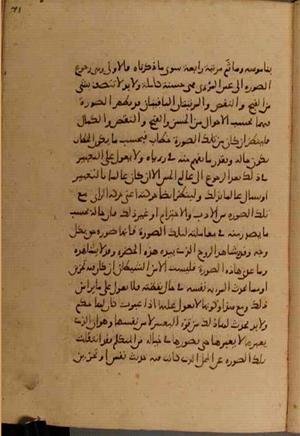
بناموسه وما ثم مرتبة رابعة سوى ما ذكرناه.

فالأولى، وهي رجوع الصورة إلى عين المرئي، فهي حسنة كاملة ولا بد لا تتصف بشيء من القبح والنقص والمرتبتان الباقيتان قد تظهر الصورة فيهما بحسب الأحوال من الحسن والقبح والنقص والكمال.

فلينظر إن كان من تلك الصورة خطاب، فبحسب ما يكون الخطاب يكون حاله وبقدر ما يفهم منه في رؤياه ولا يعول على التعبير في ذٰلك بعد الرجوع إلى عالم الحس إلا إن كان عالما بالتعبير أو يسأل عالما بذٰلك.

ولينظر أيضا حركته أعني حركة الرائي مع تلك الصورة، من الأدب والاحترام أو غير ذٰلك؛ فإن حاله بحسب ما يصدر منه في معاملته لتلك الصورة فإنها صورة حق بكل وجه.

وقد يشاهد الروح الذي بيده هذه الحضرة وقد لا يشاهده وما عدا هذه الصورة فليست إلا من الشيطان إن كان فيه تحزين أو مما يحدث المرء به نفسه في حال يقظته، فلا يعول على ما يرى من ذٰلك.

(التعبير وانتقال الصورة)

ومع هٰذا، وكونها لا يعول عليها، إذا عبرت كان لها حكم ولا بد؛ يحدث لها ذٰلك من قوة التعبير، لا من نفسها.

وهو أن الذي يعبرها لا يعبرها حتى يصورها في خياله من المتكلم، فقد انتقلت تلك الصورة عن المحل الذي كانت فيه حديث نفس أو تحزين
English

its code. There is no fourth rank beyond what we mentioned.

The first, the form's referring to the seen one's entity, is necessarily beautiful and complete, described by no ugliness or deficiency. Within the other two ranks the form may appear according to states of beauty or ugliness, deficiency or completeness.

Let him consider whether an address issues from that form. His state is according to the address and what he understands from it within his dream vision. After returning to the sensory world, he should not rely upon interpretation in this unless knowledgeable in interpretation or asking one knowledgeable in it.

Let him also consider his movement—I mean the seer's movement—with that form, of courtesy, respect, or otherwise. His state accords with what proceeds from him in his treatment of that form, for it is a form of truth in every respect.

He may witness the Spirit who holds this presence or not witness him. Outside this form it is only from Satan if it contains sorrow, or from what the person speaks of within himself while awake. What he sees of this is not relied upon.

(Interpretation and the Form's Passage)

Yet, although it is not relied upon, when interpreted it necessarily has a ruling, arising through interpretation's power, not from itself.

The one interpreting it does not interpret until he pictures it within his imagination from the speaker. The form has therefore passed from the locus where it was self-talk or Satan's causing sorrow

Notes

Translator’s note TN4836-1: Taʿbīr, interpretation, is connected to passing across. The author describes a form passing from the original speaker into the interpreter's imagination, and attributes its ensuing ruling to interpretation's power even when the initial dream is not relied upon.

Manuscript imageManuscript volume 16 · Page 142

Arabic and English are linked by the same Konya page ID. Page alignment is approximate; consult the manuscript image for verification.

Cairo source reference

Ibn al-Arabi, The Meccan Revelations — Manuscript volume 16 · Page 142 — https://www.futmak.com/english/konya/pages.php?id=4836&text=both