
Futmak · الفتوحات المكية · Meccan Revelations

The Meccan Revelations

Manuscript volume 14 · Page 300

Konya manuscript

Open Arabic sourceOpen English translation

Arabic

ص فيمن حفظ القرآن، يعني على هٰذا الوجه، «أن النبوة قد أدرجت بين جنبيه»، ولم يقل في صدره، وهٰذا معنى استظهار القرآن، أي أخذه عن ظهر، فله مثل هٰذا التنزل مستمر فيمن شاء الله من عباده، لكن على هٰذا النعت والصفة، وهو قوله تعالى: ﴿يُلْقِي الرُّوحَ من أَمْرِهِ عَلى من يَشاءُ من عِبادِهِ﴾ [غافر: 15].

(البشارة بالتشريع والإخبار بالتعيين)

فالرسل مبشرون ومنذرون، والورثة منذرون خاصة، لا مبشرون، لكنهم مُبشَّرون، اسم مفعول[79]، فإذا بشر الولي أحدا بسعادة، فما هو من هٰذا الباب، بل البشارة في ذٰلك بتعيين السعيد.

وبشارة الأنبياء متعلقة بالعمل المشروع، وهو أنه من عمل كذا كان له كذا في الجنة، أو نجاه الله من النار بعمل كذا، هٰذا لا يكون إلا للرسل، ليس للولي فيه دخول.

وله أن يعطي تعيين السعيد، لا من حيث العمل، فيقول في الكافر، وهو في حال كفره إنه سعيد، وفي المؤمن في حال إيمانه إنه شقي، فيختم لكل واحد بالسبب الموجب لسعادته أو شقاوته، تصديقا لقول الولي، هٰذا القدر بقي للأولياء من نبوة الإخبار، لا من نبوة التشريع.

(صفات الرسالة وتلقيها)

ولها من الحروف ياء العلة، وله الدعوى والآيات، وصاحبها مسئول، وله الكشف في أوقات، وهو قوله: ﴿لا تُحَرِّكْ به لِسانَكَ لِتَعْجَلَ به﴾ [القيامة: 16].

وهي وإن نزلت من الكرسي، فإذا رجعت

Notes

[79]

(ضبط اللفظ هنا بالبناء للمفعول تبعا لتصريح المؤلف، في مقابل اسم الفاعل «مبشرون» قبله.)
English

—may God bless him and grant him peace—concerning one who memorizes the Qur’an, meaning in this way: “Prophethood has been folded between his two sides.” He did not say “in his breast.” This is the meaning of committing the Qur’an to memory, istizhar: receiving it from a back, ẓahr. Such descent continues for whichever of His servants God wills, but with this description and quality. It is His saying, “He casts the spirit of His command upon whom He wills among His servants” [Ghafir 40:15].

(Glad Tidings through Prescribing Law and Giving News through Identifying Individuals)

Messengers bear glad tidings and warnings. Inheritors bear warnings alone, not glad tidings; rather, they are given glad tidings, mubashsharūn, the passive participle[79]. If a friend of God gives someone glad tidings of felicity, it does not belong to this category: the glad tidings there identify the felicitous individual.

Prophets’ glad tidings concern prescribed action: whoever does such-and-such has such-and-such in the Garden, or God saves him from the Fire through such-and-such a deed. This belongs only to messengers; the friend of God has no entry into it.

He may identify the felicitous person, without regard to the action. He says of an unbeliever in his state of unbelief that he is felicitous, and of a believer in his state of faith that he is wretched. Each is brought to his end with the cause necessitating his felicity or wretchedness, confirming the friend of God’s saying. This much remains for the friends of God from the prophethood of giving news, not lawgiving prophethood.

(Messengership’s Attributes and Its Reception)

Among the letters it has the weak yāʾ. He has the claim and the signs, and its possessor is answerable. He has unveiling at times, as in His saying, “Do not move your tongue with it to hasten it” [al-Qiyamah 75:16].

Although it descends from the Footstool, when it returns

Notes

[79]

(The word is vocalized here in the passive in accordance with the author’s explicit statement, in contrast to the active participle, “bearers of glad tidings,” preceding it.)

Translator’s note TN4362-1: The interpretation of memorization deliberately joins istizhar with ẓahr, back, and the report’s “two sides”; it is not replaced with an ordinary account of memorization. Yāʾ al-ʿillah designates yāʾ as a weak letter; ʿillah also means cause. The compressed attribution is retained without supplying an unstated relation to messengership.

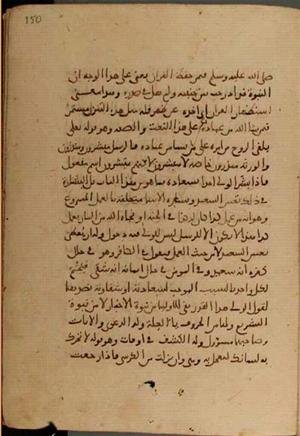
Manuscript imageManuscript volume 14 · Page 300

Arabic and English are linked by the same Konya page ID. Page alignment is approximate; consult the manuscript image for verification.

Cairo source reference

Ibn al-Arabi, The Meccan Revelations — Manuscript volume 14 · Page 300 — https://www.futmak.com/english/konya/pages.php?id=4362&text=both