The Meccan Revelations

Manuscript volume 14 · Page 187

Konya manuscript

Open Arabic sourceOpen English translation

Arabic

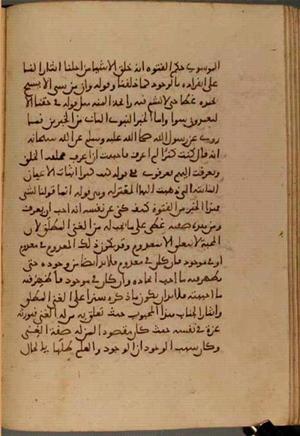
الموسوي حكم الفتوة أنه خلق الأشياء من أجلنا، إيثارا لنا على انفراده بالوجود، كما خلقنا، وقوله: ﴿وإِنْ من شَيْءٍ إِلَّا يُسَبِّحُ بِحَمْدِهِ﴾، غطاء حتى لا نشم فيه رائحة المنة، مثل قوله في حقنا إِلَّا لِيَعْبُدُونِ، سواء.

وأما الخبر النبوي الثاني من الخبرين، فما روى عن رسول الله ص عن الله سبحانه، أنه قال: «كنت كنزا لم أعرف فأحببت إن أعرف فخلقت الخلق وتعرفت إليهم فعرفوني».

ففي قوله كنت كنزا، إثبات الأعيان الثابتة التي ذهبت إليها المعتزلة، وهي قوله: ﴿إِنَّما قَوْلُنا لِشَيْءٍ﴾ [النحل: 40].

فهٰذا الخبر من الفتوة، كيف كنى عن نفسه أنه أحب أن يعرف، ومن هذه صفته، غطى على ما يجب له من الغني المطلق، لأن المحبة لا تتعلق إلا بمعدوم، وقد يكون ذٰلك المعدوم في معدوم، أو في موجود، فإن كان في معدوم، فلا بد، أيضا من وجوده، حتى يظهر فيه ما أحب إيجاده، وإن كان في موجود، فأظهر فيه ما أحببته، فلا بد أن يكون ما ذكره، سترا على الغني المطلق، وإيثار الجناب هٰذا المحبوب، حيث تعلق به من له الغني، فيورثه عزة في نفسه، حيث كان مقصودا لمن له صفة الغني.

وكان سبب الوجود، إن الوجود والعلم طلبا بالحال
English

Mosaic report, spiritual chivalry’s ruling is that He created things for our sake, preferring us over His sole possession of existence, just as He created us. His saying, “There is nothing but glorifies Him with His praise,” is a covering so that we sense no trace of favor being asserted, exactly like “only to worship Me” concerning us.

The second of the two reports, the prophetic one, is what is related from the Messenger of God, may God bless him and grant him peace, from God, glory be to Him: “I was a treasure, unknown. I loved to be known, so I created creatures and made Myself known to them, and they knew Me.”

In “I was a treasure” is the affirmation of the immutable entities maintained by the Muʿtazilah. This is His saying, “Our saying to a thing” [al-Nahl 16:40].

This report is of spiritual chivalry in how He alluded to Himself as loving to be known. One of this description covers what necessarily belongs to Him of absolute independence. Love attaches only to something nonexistent. That nonexistent thing may be within something nonexistent or within an existent. If within something nonexistent, that too must exist so that what He loved to bring into existence may appear within it. If within an existent, bring forth within it what you love. What He mentioned must therefore be a covering over absolute independence and a preference for this beloved’s presence, since the Independent attaches to it. This gives it might within itself by its being intended by the One possessing independence.

The cause of existence was that existence and knowledge, through their state, asked

Notes

Translator’s note TN4249-1: The Mosaic and treasure reports are retained as reports presented by the author. The attribution concerning immutable entities and the Muʿtazilah is likewise his stated account. The existent-locus example shifts into direct address, “bring forth ... what you love,” in the supplied wording.

Manuscript imageManuscript volume 14 · Page 187

Arabic and English are linked by the same Konya page ID. Page alignment is approximate; consult the manuscript image for verification.

Cairo source reference

Ibn al-Arabi, The Meccan Revelations — Manuscript volume 14 · Page 187 — https://www.futmak.com/english/konya/pages.php?id=4249&text=both