The Meccan Revelations

Manuscript volume 14 · Page 148

Konya manuscript

Open Arabic sourceOpen English translation

Arabic

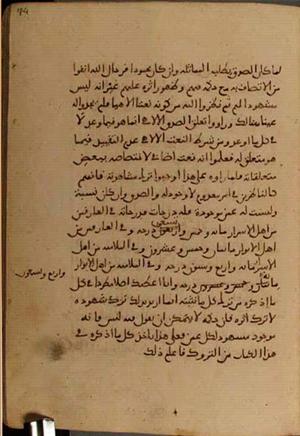
لما كان الصدق يطلب المماثلة، وإن كان محمودا، فرجال الله أنفوا من الاتصاف به، مع حكمه فيهم، وظهور أثره عليهم، غير أنه ليس مشهودا لهم.

ثم نظروا إليه من كونه نعتا إلهيا، فلم يجدوا له عينا هناك، ورأوا تعلق الصدق الإلهي إنما هو فيما وعد، لا في كل ما أوعد، ومن شرط النعت الإلهي عدم التقييد فيما هو متعلق له، فعلموا أنه نعت إضافي، لاختصاصه ببعض متعلقاته، فلما رأوه على هٰذا، أوجبوا ترك مشاهدته، فإنهم كالناظرين في أمر معدوم لا وجود له.

والصدق وإن كان نسبة، وليست له عين موجودة، فله درجات، فدرجاته في العارفين من أهل الأسرار مائة وخمس وتسعون درجة، وفي العارفين من أهل الأنوار مائتان وخمس وعشرون، وفي الملامية من أهل الأسرار مائة وأربع وستون درجة، وفي الملامية من أهل الأنوار مائة وأربع وتسعون درجة.

(أصل مطرد في تفسير الترك)

و أنا أعطيك أصلا مطردا في كل ما أذكره من ترك كل ما نثبته، إنما أريد بذٰلك ترك شهوده، لا ترك أثره[44]، فإن حكمه لا يتمكن أن يقول فيه ليس، فإنه موجود مشهود لكل عين، فعلى هٰذا تأخذ كل ما أذكره في هٰذا الكتاب من التروك، فاعلم ذٰلك.

Notes

[44]

(هذه قاعدة صريحة من المؤلف في أبواب «ترك» المقامات: المراد ترك شهود الصفة، مع بقاء حكمها وأثرها. ويرد هذا البيان على مواضع الكتاب التي يحيل إليها.)
English

Since truthfulness calls for likeness, although it is praiseworthy, God's men disdained being qualified by it, despite its ruling within them and its effect appearing upon them. It is not, however, witnessed by them.

Then they considered it as a divine description and found no entity for it there. They saw that divine truthfulness attaches to what He promises, rather than every threat He makes, while a divine description's condition is unrestrictedness in what it attaches to. They knew it was a relative description, particular to some of its objects. Seeing it thus, they made leaving its witnessing obligatory: they were like those looking upon a nonexistent matter without existence.

Although truthfulness is a relation with no existent entity, it has degrees: one hundred and ninety-five among the knowers of innermost secrets, two hundred and twenty-five among the knowers of lights, one hundred and sixty-four among the People of Blame of innermost secrets, and one hundred and ninety-four among the People of Blame of lights.

(A General Principle for Interpreting Leaving)

I give you a general principle applying to everything I mention about leaving what we affirm: I mean leaving its witnessing, rather than leaving its effect.[44] One cannot say of its ruling that it is not, for it exists, witnessed by every eye. Understand everything I mention in this book concerning acts of leaving in this way. Know this.

Notes

[44]

(This is the author's explicit rule in the chapters on “leaving” stations: what is meant is leaving witness of the attribute while its ruling and effect remain. This explanation applies to the places in the book to which he refers.)

Translator’s note TN4210-1: The four degree counts are 195, 225, 164, and 194 in the supplied order. The author then states a general rule for this book: leaving concerns witnessing the attribute, not abolishing its ruling or effect.

Manuscript imageManuscript volume 14 · Page 148

Arabic and English are linked by the same Konya page ID. Page alignment is approximate; consult the manuscript image for verification.

Cairo source reference

Ibn al-Arabi, The Meccan Revelations — Manuscript volume 14 · Page 148 — https://www.futmak.com/english/konya/pages.php?id=4210&text=both