The Meccan Revelations

Manuscript volume 14 · Page 59

Konya manuscript

Open Arabic sourceOpen English translation

Arabic

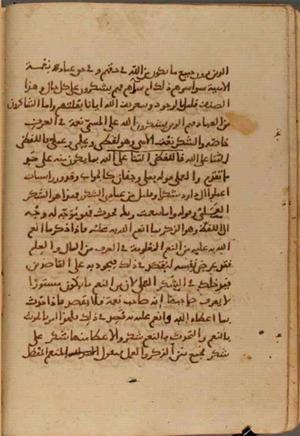
الذين يرون جميع ما يكون من الله في حقهم وفي حق عباده نعمة إلهية، سواء سرهم ذٰلك أم ساءهم، فهم يشكرون على كل حال، وهٰذا الصنف قليل بالوجود، وبتعريف الله إيانا بقلتهم، وأما الشاكرون من العباد، فهم الذين يشكرون الله على المسمى نعمة في العرف خاصة.

(الشكر اللفظي والعلمي والعملي)

والشكر نعت إلهي، وهو لفظي، وعلمي، وعملي، فاللفظي الثناء على الله، بما يكون منه على حد ما تقدم، والعملي قوله تعالى: ﴿وجِفانٍ كَالْجَوابِ وقُدُورٍ راسِياتٍ اعْمَلُوا آلَ داوُدَ شُكْراً وقَلِيلٌ من عِبادِيَ الشَّكُورُ﴾ [سبأ: 13]، فهٰذا هو الشكر العملي.

وقوله: ﴿وأَمَّا بِنِعْمَةِ رَبِّكَ فَحَدِّثْ﴾ [الضحى: 11]، فهو موجه له وجه إلى اللفظ، وهو الذكر بما أنعم الله به عليه.

فإذا ذكر ما أنعم الله به عليه من النعم المعلومة في العرف، من المال والعلم، فقد عرض نفسه ليُقصَد في ذٰلك، فيجود به على القاصد، فيدخلك في الشكر العملي، لأن من النعم ما يكون مستورا لا يعرف صاحبها أنه صاحب نعمة، فلا يقصد، فإذا حدث بما أعطاه الله وأنعم عليه به، قصد في ذٰلك، فلهٰذا أمر بالحديث بالنعم، والتحدث بالنعم شكر، والإعطاء منها شكر على شكر، فجمع بين الذكر والعمل، فيقول: «الحمد لله المنعم المفضل».
English

who see everything God does concerning themselves and His servants as a divine blessing, whether it pleases or distresses them. They thank Him in every state. This kind is few in existence, and God informs us of their fewness. The thankful among servants are those who thank God only for what custom names a blessing.

(Verbal, Cognitive, and Practical Gratitude)

Gratitude is a divine description, verbal, cognitive, and practical. Verbal gratitude praises God for what comes from Him as explained. Practical gratitude is His saying, “Basins like reservoirs and firmly fixed cauldrons: work, family of David, in gratitude! Few of My servants are abundantly thankful” [34:13]. This is practical gratitude.

“Speak of your Lord's blessing” [93:11] has an aspect directed toward utterance: mentioning what God has bestowed upon him.

When he mentions customary blessings God has bestowed upon him, such as wealth and knowledge, he makes himself available to be sought for them and gives generously to whoever seeks. This admits you to practical gratitude. Some blessings are concealed: their possessor is not known to possess a blessing and is therefore not sought. When he speaks of what God has given and bestowed upon him, people seek him concerning it. Hence he is commanded to speak of blessings. Speaking of blessings is gratitude, and giving of them is gratitude upon gratitude, combining remembrance and action. He says, “Praise belongs to God, the Bestower of Blessings and Favour.”

Notes

Translator’s note TN4121-1: Speaking about wealth or knowledge is linked to practical gratitude because it allows others to seek and receive the blessing. The source expressly joins verbal mention to giving, calling the latter gratitude upon gratitude.

Manuscript imageManuscript volume 14 · Page 59

Arabic and English are linked by the same Konya page ID. Page alignment is approximate; consult the manuscript image for verification.

Cairo source reference

Ibn al-Arabi, The Meccan Revelations — Manuscript volume 14 · Page 59 — https://www.futmak.com/english/konya/pages.php?id=4121&text=both