
Futmak · الفتوحات المكية · Meccan Revelations

The Meccan Revelations

Manuscript volume 13 · Page 244

Konya manuscript

Open Arabic sourceOpen English translation

Arabic

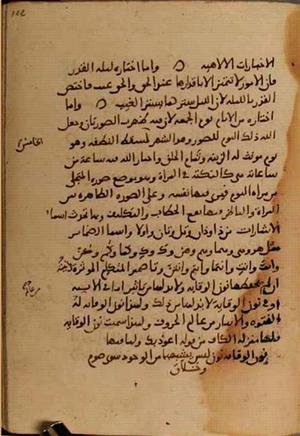
الإخبارات الإلهية.

وأما اختياره ليلة القدر، فإن الأمور لا تتميز إلا بأقدارها عند الحق، والحق غيب؛ فاختص القدر بالليلة، لأن الليل ستر كما يستر الغيب.

وأما اختياره من الأيام يوم الجمعة، لأن فيه ظهرت الصورتان، وجعل الله ذٰلك اليوم للصور، وهو الشهر الخامس لمسقط النطفة، وهو يوم مؤنث له الزينة وتمام الخلق. واختار الله فيه ساعة من ساعاته هي كالنكتة في المرآة، وهو موضع صورة المتجلي من مرآة اليوم، فيرى فيها نفسه.

وعلى الصورة الظاهرة بين المرآة والناظر فيها يقع الخطاب والتكليف، وبها تحدث أسماء الإشارات من ذا وذان وتا وتان وأولاء، وأسماء الضمائر مثل هو وهي وهما وهم وهن، وكَ وكِ وكما وكم وكن، وأنتَ وأنتِ وأنتما وأنتم وأنتن، وياء ضمير المتكلم المؤثرة في آنيته إن لم تحفظها نون الوقاية.

ولا بد لها من تأثير إما في الآنية أو في نون الوقاية، لا بد لها من ذٰلك. ولهٰذا نون الوقاية له الفتوة والإيثار[45] من عالم الحروف، ولهٰذا سميت نون الوقاية، فلها منزلة الكاف من قوله: «أعوذ بك»، ولنا فيها:

نون الوقاية نون ليس يشبهها

من الوجود سوى صوم وخلاق‏

Notes

[45]

(يبني المؤلف هذا التشبيه على وظيفة نون الوقاية مع ياء المتكلم: تحمل النون الكسرة فتقي ما قبلها من أثر الياء، ثم ينقل ذلك إلى معنى الإيثار.)
English

divine reports.

As for His choosing the Night of Measuring-Out, things are distinguished only through their measures with the Real, and the Real is unseen. Measuring-out was therefore assigned to a night, because night is a covering, as the unseen covers.

As for His choosing Friday among days, the two images appeared within it. God assigned that day to images, and it is the fifth month from the deposit of the seminal drop. It is a feminine day, possessing adornment and the completion of creation. God chose an hour within it like a point in a mirror, the place of the self-discloser’s image within the mirror of the day, where He sees Himself.

Address and imposed obligation fall upon the image appearing between the mirror and its beholder. Through it arise demonstratives such as dhā, dhān, tā, tān, and ulāʾ, and pronouns such as huwa, hiya, humā, hum, hunna; -ka, -ki, -kumā, -kum, -kunna; anta, anti, antumā, antum, antunna; and yāʾ, the first-person pronoun, affecting its āniyyah, its I-ness, unless the protective nūn guards it.

It must have an effect either upon the āniyyah or upon the protective nūn. This is unavoidable. For this reason the protective nūn possesses chivalry and preference for others[45] in the world of letters, which is why it is called the protective nūn. It has the rank of kāf in “I seek refuge in You.” Concerning it we have:

The protective nūn is a nūn resembling

nothing in existence but fasting and the Creator.

Notes

[45]

(The author builds this comparison upon the protective nūn’s function with the first-person yāʾ: nūn bears kasrah, protecting what precedes it from the effect of yāʾ. He then transfers this to the meaning of preference for others.)

Translator’s note TN3998-1: The supplied āniyyatihi/al-āniyah is tentatively rendered I-ness, in the context of the mirror image and personal pronouns; a receptacle or receiving-vessel sense remains possible. The protective nūn bears the kasrah associated with the first-person yāʾ and protects the preceding form. Its personified preference for others depends on that grammatical function. The fifth-month and feminine-day descriptions are retained as supplied.

Manuscript imageManuscript volume 13 · Page 244

Arabic and English are linked by the same Konya page ID. Page alignment is approximate; consult the manuscript image for verification.

Cairo source reference

Ibn al-Arabi, The Meccan Revelations — Manuscript volume 13 · Page 244 — https://www.futmak.com/english/konya/pages.php?id=3998&text=both