
Futmak · الفتوحات المكية · Meccan Revelations

The Meccan Revelations

Manuscript volume 9 · Page 245

Konya manuscript

Open Arabic sourceOpen English translation

Arabic

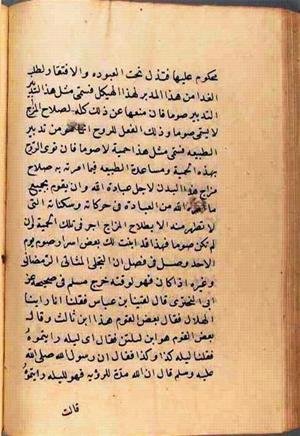
محكوم عليها، فتذل تحت العبودة والافتقار لطلب الغذاء من هٰذا المدبر لهٰذا الهيكل».

فسمى مثل هٰذا التدبير صوما؛ فإن منعها عن ذٰلك كله لصلاح المزاج، لا يسمى صوما. وذٰلك الفعل للروح إنما هو من تدبير الطبيعة؛ فسمى مثل هٰذا حمية، لا صوما.

فإن نوى الروح بهذه الحمية، ومساعدة الطبيعة فيما أمرته به، صلاح مزاج هٰذا البدن لأجل عبادة الله وأن يقوم بجميع ما أمره الله به من العبادة في حركاته وسكناته التي لا تظهر منه إلا بصلاح المزاج، أجر في تلك الحمية وإن لم تكن صوما. فهٰذا قد أبنت لك بعض أسرار صوم يوم الأحد.

وصل في فصل إن التجلي المثالي الرمضاني وغيره إذا كان فهو لوقته

خرج مسلم في صحيحه عن أبي البختري قال: لقينا ابن عباس، فقلنا: «إنا رأينا الهلال» فقال بعض القوم: «هٰذا ابن ثلاث»، وقال بعض القوم: «هو ابن ليلتين» فقال: «أي ليلة رأيتموه؟» فقلنا: «ليلة كذا وكذا» فقال: إن رسول الله صلى الله عليه وسلم قال: «إن الله مده للرؤية فهو لليلة رأيتموه».
English

subject to rule, so that it is humbled under servanthood and need in asking for nourishment from the governor of this bodily frame.”

Such governance is called fasting. If the spirit withholds all this for the soundness of the temperament, it is not called fasting. That act of the spirit is itself directed by nature. Such a thing is called a regimen of abstinence.

If by this regimen and by assisting nature in what it commands, the spirit intends the soundness of this body’s temperament for the worship of God, and to carry out all God commands of worship in its movements and stillness, which appear only through a sound temperament, it is rewarded for the regimen, even though it is not fasting. I have thus explained some of the secrets of fasting Sunday.

Continuation on the Section Concerning Imaginal Self-Disclosure, in Ramadan or Otherwise, as Belonging to Its Moment When It Occurs

Muslim transmitted in his Ṣaḥīḥ from Abū al-Bakhtarī, who said, “We met Ibn ʿAbbās and said, ‘We saw the crescent.’ Some people said, ‘It is three nights old,’ and some said, ‘It is two nights old.’ He said, ‘On what night did you see it?’ We said, ‘Such-and-such a night.’ He said that the Messenger of God, may God bless him and grant him peace, said, ‘God extended it for sighting. It belongs to the night on which you saw it.’”

Manuscript imageManuscript volume 9 · Page 245

Arabic and English are linked by the same Konya page ID. Page alignment is approximate; consult the manuscript image for verification.

Cairo source reference

Ibn al-Arabi, The Meccan Revelations — Manuscript volume 9 · Page 245 — https://www.futmak.com/english/konya/pages.php?id=2769&text=both