
Futmak · الفتوحات المكية · Meccan Revelations

The Meccan Revelations

Manuscript volume 9 · Page 180

Konya manuscript

Open Arabic sourceOpen English translation

Arabic

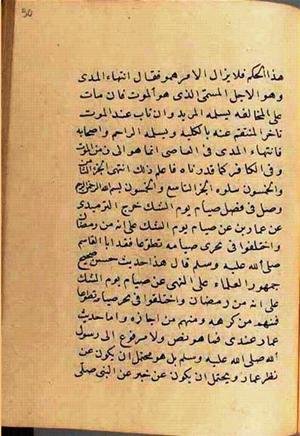
هٰذا الحكم».

فلا يزال الأمر متوقفا إلى انتهاء المدى، وهو الأجل المسمى الذي هو الموت. فإن مات على المخالفة، تسلمه المريد، وإن تاب عند الموت، تأخر المنتقم عنه بالكلية، وتسلمه الراحم وأصحابه.

فانتهاء المدى في العاصي إنما هو إلى زمن الموت، وفي الكافر كما قررناه، فاعلم ذٰلك.

انتهى الجزء الثامن والخمسون، يتلوه الجزء التاسع والخمسون.

الجزء التاسع والخمسون من الفتوحات المكِّيّة

بِسْمِ اللهِ الرَّحْمٰنِ الرَّحِيمِ

وصل في فصل صيام يوم الشك

خرج الترمذي عن عمار بن ياسر قال: «من صام اليوم الذي شك فيه فقد عصى أبا القاسم». قال: هٰذا حديث حسن صحيح.

جمهور العلماء على النهي عن صيام يوم الشك على أنه من رمضان، واختلفوا في تحرى صيامه تطوعا؛ فمنهم من كرهه، ومنهم من أجازه.

وأما حديث عمار عندي فما هو نص، ولا مرفوع إلى رسول الله صلى الله عليه وسلم؛ بل هو يحتمل أن يكون عن نظر من عمار، ويحتمل أن يكون عن خبر عن النبي
English

this ruling.”

The matter remains pending until the end of the course, the appointed term, death. If the servant dies in disobedience, the Willer takes charge of him. If he repents at death, the Avenger withdraws entirely, and the Merciful and his companions take charge of him.

The end of the course for the disobedient person is therefore at death. For the unbeliever it is as we have explained. Know this.

End of Part Fifty-Eight. Part Fifty-Nine follows.

Part Fifty-Nine of the Meccan Revelations

In the name of God, the All-Merciful, the Ever-Merciful.

Continuation on Fasting the Day of Doubt

Al-Tirmidhī transmitted from ʿAmmār ibn Yāsir, who said, “Whoever fasts the day about which there is doubt has disobeyed Abū al-Qāsim.” He said, “This is a good and sound hadith.”

The majority of scholars prohibit fasting the day of doubt as part of Ramadan. They differ about deliberately fasting it voluntarily. Some deem it reprehensible and others permit it.

In my view, ʿAmmār’s hadith is neither explicit on the point nor traced to the Messenger of God, may God bless him and grant him peace. It could have come from ʿAmmār’s own judgment, or it could have come from a report from the Prophet

Manuscript imageManuscript volume 9 · Page 180

Arabic and English are linked by the same Konya page ID. Page alignment is approximate; consult the manuscript image for verification.

Cairo source reference

Ibn al-Arabi, The Meccan Revelations — Manuscript volume 9 · Page 180 — https://www.futmak.com/english/konya/pages.php?id=2704&text=both