
Futmak · الفتوحات المكية · Meccan Revelations

The Meccan Revelations

Manuscript volume 9 · Page 94

Konya manuscript

Open Arabic sourceOpen English translation

Arabic

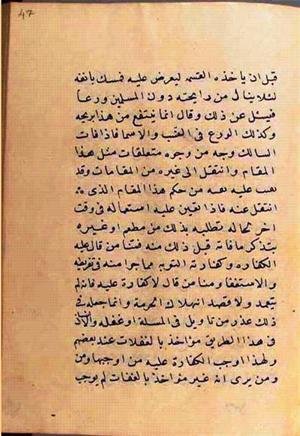
قبل أن تأخذه القسمة ليعرض عليه، فمسك بأنفه لئلا ينال من رائحته شيئا دون المسلمين، ورعا. فسئل عن ذٰلك فقال: «إنما ينتفع من هٰذا بريحه».

وكذٰلك الورع في النسب والأسماء. فإذا فات السالك وجه من وجوه متعلقات مثل هٰذا المقام، وانتقل إلى غيره من المقامات، وقد بقيت عليه بقية من حكم هٰذا المقام الذي انتقل عنه، فإذا تعين عليه استعماله في وقت آخر لحالة تطلبه بذٰلك من مطعم أو غيره، يتذكر ما فاته قبل ذٰلك منه.

فمنا من قال: عليه الكفارة؛ وكفارته التوبة مما جرى منه في تفريطه والاستغفار.

ومنا من قال: لا كفارة عليه؛ فإنه لم يتعمد ولا قصد انتهاك الحرمة، وإنما جعله في ذٰلك عذر من تأويل في المسألة أو غفلة.

والإنسان في هٰذا الطريق مؤاخذ بالغفلات عند بعضهم؛ ولهٰذا أوجب الكفارة عليه من أوجبها. ومن يرى أنه غير مؤاخذ بالغفلات لم يوجب
English

before it was apportioned, for it to be presented to him. Out of scrupulousness he held his nose so as not to enjoy any of its scent apart from the Muslims. Asked about this, he said, “The benefit of this is only in its scent.”

So too with scrupulousness concerning relations and names. The traveler may miss one aspect of a station’s relations and move to another station while part of the previous station’s ruling remains unfulfilled. When a later state requires him to put it into practice, concerning food or something else, he remembers what he previously missed.

Some among us say that he owes expiation. His expiation is repentance for his neglect and seeking forgiveness.

Others say he owes no expiation, for he neither deliberately acted nor intended to violate the sanctity. He had an excuse in an interpretation of the question or in heedlessness.

Some on this path hold a person accountable for heedlessness. That is why those who require expiation require it. Those who do not hold him accountable for heedlessness do not require

Notes

Translator’s note TN2618-1: The musk account applies scrupulousness to enjoying a scent before the spoils have been divided. The inward comparison then turns to remembering an aspect of a station left unfulfilled.

Manuscript imageManuscript volume 9 · Page 94

Arabic and English are linked by the same Konya page ID. Page alignment is approximate; consult the manuscript image for verification.

Cairo source reference

Ibn al-Arabi, The Meccan Revelations — Manuscript volume 9 · Page 94 — https://www.futmak.com/english/konya/pages.php?id=2618&text=both