
Futmak · الفتوحات المكية · Meccan Revelations

The Meccan Revelations

Manuscript volume 9 · Page 92

Konya manuscript

Open Arabic sourceOpen English translation

Arabic

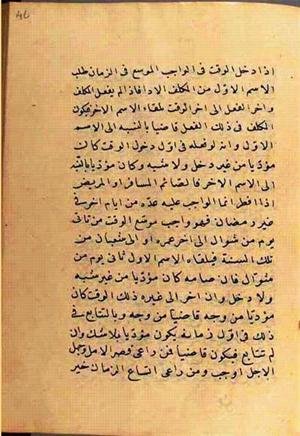
إذا دخل الوقت في الواجب الموسع بالزمان، طلب الاسم الأول من المكلف الأداء. فإذا لم يفعل المكلف وأخر الفعل إلى آخر الوقت، تلقاه الاسم الآخر، فيكون المكلف في ذٰلك الفعل قاضيا بالنسبة إلى الاسم الأول، وأنه لو فعله في أول دخول الوقت، كان مؤديا من غير دخل ولا شبهة، وكان مؤديا بالنسبة إلى الاسم الآخر.

فالصائم المسافر أو المريض إذا أفطر، إنما الواجب عليه عدة من أيام أخر في غير رمضان، فهو واجب موسع الوقت من ثاني يوم من شوال إلى آخر عمره، أو إلى شعبان من تلك السنة.

فيتلقاه الاسم الأول ثاني يوم من شوال؛ فإن صامه كان مؤديا من غير شبهة ولا دخل، وإن أخره إلى غير ذٰلك الوقت كان مؤديا من وجه قاضيا من وجه.

وبالتتابع في ذٰلك في أول زمانه يكون مؤديا بلا شك، وإن لم يتابع فيكون قاضيا.

فمن راعى قصر الأمل وجهل الأجل أوجب، ومن راعى اتساع الزمان خير،
English

When the time of an obligation with an extended interval begins, the name the First calls upon the person under obligation to perform it. If he does not and delays the act until the end of the interval, the name the Last receives him. In that act he is making up in relation to the name the First. Had he done it when the time first began, he would have been performing it without qualification or ambiguity. He is performing it in relation to the name the Last.

When a fasting traveler or sick person breaks the fast, he owes only a number of other days outside Ramadan. This is an obligation with an extended time, from the second day of Shawwāl until the end of his life, or until Shaʿbān of that year.

The name the First receives him on the second day of Shawwāl. If he fasts then, he is performing without ambiguity or qualification. If he delays to another time, he is performing in one respect and making up in another.

By fasting successive days at the beginning of its time, he is unquestionably performing. If he does not make them successive, he is making up.

Those who take short hopes and ignorance of the appointed end into account make succession obligatory. Those who take the extension of time into account leave the choice,

Notes

Translator’s note TN2616-1: The First and the Last are divine names. The time limits and the two possible endpoints, the end of life or Shaʿbān, are retained as given in the source.

Manuscript imageManuscript volume 9 · Page 92

Arabic and English are linked by the same Konya page ID. Page alignment is approximate; consult the manuscript image for verification.

Cairo source reference

Ibn al-Arabi, The Meccan Revelations — Manuscript volume 9 · Page 92 — https://www.futmak.com/english/konya/pages.php?id=2616&text=both