
Futmak · الفتوحات المكية · Meccan Revelations

The Meccan Revelations

Manuscript volume 9 · Page 66

Konya manuscript

Open Arabic sourceOpen English translation

Arabic

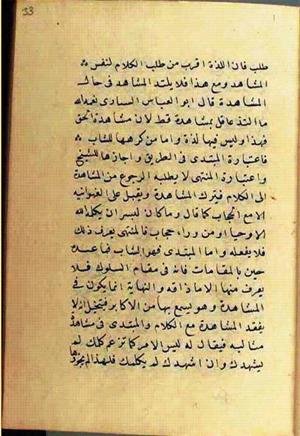
طلب؛ فإن اللذة أقرب من طلب الكلام لنفس المشاهد. ومع هٰذا فلا يلتذ المشاهد في حال المشاهدة.

قال أبو العباس السياري، رحمه الله: «ما التذ عاقل بمشاهدة قط؛ لأن مشاهدة الحق فناء، ليس فيها لذة».

(اعتبار المبتدئ والمنتهي)

وأما من كرهها للشاب فاعتباره المبتدي في الطريق. وأجازها للشيخ، فاعتباره المنتهى؛ فإن المنتهي لا يطلب الرجوع من المشاهدة إلى الكلام، فيترك المشاهدة ويقبل على الفهوانية؛ إذ لا تصح الفهوانية إلا مع الحجاب كما قال: ﴿وما كانَ لِبَشَرٍ أَنْ يُكَلِّمَهُ الله إِلَّا وَحْياً أَوْ من وَراءِ حِجابٍ﴾ [الشورى: ٥١] فالمنتهي يعرف ذٰلك، فلا يفعله.

وأما المبتدي، وهو الشاب، فما عنده خبرة بالمقامات؛ فإنه في مقام السلوك، فلا يعرف منها إلا ما ذاقه. والنهاية إنما تكون في المشاهدة، وهو يسمع بها من الأكابر، فيتخيل أنه لا يفقد المشاهدة مع الكلام، والمبتدي في مشاهدة مثالية فيقال له: ليس الأمر كما تزعم؛ أن كلمك لم يشهدك، وإن أشهدك لم يكلمك.

فلهذا لم يجوزها
English

seeking. Delight is nearer to the witnessing soul than seeking speech. Yet the witness has no delight while witnessing.

Abū al-ʿAbbās al-Sayyārī, may God have mercy on him, said, “No person of understanding has ever delighted in witnessing, for witnessing the Real is passing away, in which there is no delight.”

(The Inward Application of the Beginner and the One Who Has Reached the End)

Those who disapprove of kissing for a young man take him as the beginner on the path. Those who permit it for an old man take him as one who has reached the end. The latter does not seek to return from witnessing to speech, leaving witnessing and turning toward audible address. Audible address is possible only with a veil, as He said, “It is not for a human being that God should speak to him except by revelation or from behind a veil” [al-Shura 42:51]. One who has reached the end knows this and does not do it.

The beginner, the young man, has no experience of the stations. He is in the station of wayfaring and knows of them only what he has tasted. The end lies in witnessing, and he hears the great speak of it, so he imagines that he does not lose witnessing along with speech. The beginner is in imaginal witnessing. He is told, “It is not as you suppose. If He speaks to you, He does not let you witness, and if He lets you witness, He does not speak to you.”

For this reason they did not permit it

Notes

Translator’s note TN2590-1: The young and old man become images of the beginner and the one who has reached the end. The latter distinguishes imaginal witnessing, in which a change to heard address is possible, from passing away in witnessing.

Manuscript imageManuscript volume 9 · Page 66

Arabic and English are linked by the same Konya page ID. Page alignment is approximate; consult the manuscript image for verification.

Cairo source reference

Ibn al-Arabi, The Meccan Revelations — Manuscript volume 9 · Page 66 — https://www.futmak.com/english/konya/pages.php?id=2590&text=both