
Futmak · الفتوحات المكية · Meccan Revelations

The Meccan Revelations

Manuscript volume 7 · Page 91

Konya manuscript

Open Arabic sourceOpen English translation

Arabic

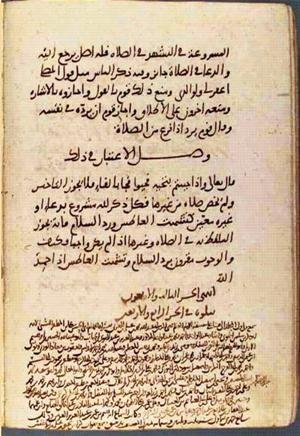
المشروعة في التشهد في الصلاة، فله أصل يرجع إليه، والدعاء في الصلاة جائز، وفيه ذكر الناس، مثل قول المصلي «اغفر لي ولوالدي[41]»، ومنع ذٰلك قوم بالقول، وأجازوه بالإشارة، ومنعه آخرون على الإطلاق، وأجاز قوم أن يرده في نفسه؛ وقال قوم يرد إذا فرغ من الصلاة.

وصل الاعتبار في ذٰلك

قال تعالى: ﴿وإِذا حُيِّيتُمْ بِتَحِيَّةٍ فَحَيُّوا﴾ [النساء: ٨٦]، فجاء بالفاء، فلا يجوز التأخير، ولم يخص صلاة من غيرها، فكل ذكر لله مشروع، بدعاء أو غيره معين، كتشميت العاطس ورد السلام، فإنه يجوز التلفظ به في الصلاة وغيرها، إذا لم يكن واجبا، فكيف والوجوب مقرون برد السلام، وتشميت العاطس، إذا حمد الله؟

انتهى الجزء الثالث والأربعون، يتلوه في الجزء الرابع والأربعين.

Notes

[41]

(صُحح الدعاء إلى «اغفر لي ولوالدي» بمقابلة الطبعة الأحدث.)
English

prescribed in the testimony in prayer, so it has a precedent to which it can be referred. Supplication is permissible in prayer and includes mention of people, as when the worshipper says, “Forgive me and my parents[41].” Some prohibited returning the greeting in words and allowed it by a gesture. Others prohibited it without qualification. Some allowed a person to return it inwardly, and some said he should return it after completing the prayer.

Continuation on the Inward Application

He, exalted is He, says, “When you are greeted with a greeting, then greet in return” [al-Nisaʾ 4:86]. He used the particle fa, so delay is impermissible. He made no distinction for prayer. Every prescribed remembrance of God, whether in supplication or in another specified form, such as blessing someone who sneezes or returning a greeting of peace, may be uttered in prayer or outside it even if it is not obligatory. How much more so when returning the greeting and blessing someone who sneezes when he praises God are both obligatory?

End of Part Forty-Three. Part Forty-Four follows.

Notes

[41]

(The supplication has been corrected to “Forgive me and my parents” by comparison with the newer edition.)

Translator’s note TN1985-1: The particle fa, rendered “then,” connects the return greeting directly to the greeting received. The author takes that connection to require an immediate reply, even during prayer.

Manuscript imageManuscript volume 7 · Page 91

Arabic and English are linked by the same Konya page ID. Page alignment is approximate; consult the manuscript image for verification.

Cairo source reference

Ibn al-Arabi, The Meccan Revelations — Manuscript volume 7 · Page 91 — https://www.futmak.com/english/konya/pages.php?id=1985&text=both