
Futmak · الفتوحات المكية · Meccan Revelations

The Meccan Revelations

Manuscript volume 4 · Page 307

Konya manuscript

Open Arabic sourceOpen English translation

Arabic

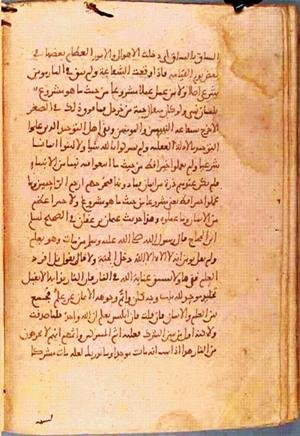
السَّاقُ بِالسَّاقِ﴾ [القيامة: ٢٩] أي دخلت الأهوال والأمور العظام بعضها في بعض يوم القيامة.

فإذا وقعت الشفاعة، ولم يبق في النار مؤمن شرعيّ أصلا، ولا مَن عمل عملا مشروعا من حيث ما هو مشروعٌ بلسان نبيّ، ولو كان مثقالَ حبّة من خردل فما فوق ذلك في الصِّغر، إلّا خرج بشفاعة النبيّين والمؤمنين. وبقي أهل التوحيد الذين علموا التوحيد بالأدلّة العقليّة، ولم يشركوا بالله شيئا، ولا آمنوا إيمانا شرعيّا، ولم يعملوا خيرا قطّ، من حيث ما اتّبعوا فيه نبيّا من الأنبياء، فلم يكن عندهم ذرّة من إيمان فما دونها، فيخرجهم أرحم الراحمين، وما عملوا خيرا قطّ، يعني مشروعا من حيث ما هو مشروع، ولا خير أعظم من الإيمان، وما عملوه.

وهذا حديث عثمان بن عفان في الصحيح لمسلم بن الحجّاج قال رسول الله صلى الله عليه وسلم: «من مات وهو يعلم» -ولم يقل: يؤمن- «أنّه لا إله إلّا الله دخل الجنّة» ولا قال: "يقول" بل أفرد العلم. ففي هؤلاء تسبق عناية الله في النار، فإنّ النار بذاتها لا تقبل تخليد موحِّد لله، بأيِّ وجه كان. وأتمّ وجوهه الإيمان عن علم، فجمع بين العلم والإيمان.

فإن قلت: فإنّ إبليس يعلم أنّ الله واحد. قلنا: صدقتَ، ولكنّه أوّل من سنّ الشرك. فعليه إثم المشركين، وإثمهم أنّهم لا يخرجون من النار. هذا إذا ثبت أنّه مات موحِّدا، وما يدريك لعلّه مات مشركا،
English

to the shin” [al-Qiyamah 75:29], that is, the terrors and momentous affairs will come together on the Day of Resurrection.

When intercession takes place, no believer through revealed Law and no one who did a prescribed deed as something prescribed on the tongue of a prophet, even the weight of a mustard seed or something smaller still, will remain in the Fire. He will come out through the intercession of the prophets and believers. Those who affirm oneness will remain, people who knew oneness through rational proofs, associated nothing with God, had no faith through revealed Law, and never did any good as followers of one of the prophets. They had no atom’s weight of faith or less. The Most Merciful of the merciful will bring them out, even though they never did any good, by which I mean anything prescribed as something prescribed. There is no greater good than faith, and they did not practice it.

This is the report of ʿUthman ibn ʿAffan in the Sahih of Muslim ibn al-Hajjaj. The Messenger of God, may God bless him and grant him peace, said, “Whoever dies knowing,” and he did not say “believing,” “that there is no god but God will enter the Garden.” Nor did he say “saying.” He singled out knowledge. God’s providential care reaches these people in the Fire first, for the Fire by its own nature cannot keep anyone who affirms God’s oneness there forever, however that oneness is affirmed. Its most complete form is faith based on knowledge, uniting knowledge and faith.

If you say, “Iblis knows that God is one,” we reply, “You are right, but he was the first to institute the association of partners with God. He therefore bears the sin of those who associate partners, and their sin is that they will not come out of the Fire.” That applies if it is established that he died affirming oneness. How do you know? Perhaps he died associating partners

Notes

Translator’s note TN1265-1: The author builds this passage on the wording “knowing” rather than “believing” or “saying.” He distinguishes rational affirmation of divine oneness from faith and good works undertaken as obedience to revealed Law. See Ṣaḥīḥ Muslim 26a.

Manuscript imageManuscript volume 4 · Page 307

Arabic and English are linked by the same Konya page ID. Page alignment is approximate; consult the manuscript image for verification.

Cairo source reference

Ibn al-Arabi, The Meccan Revelations — Manuscript volume 4 · Page 307 — https://www.futmak.com/english/konya/pages.php?id=1265&text=both