Futmak · الفتوحات المكية · Meccan Revelations

The Meccan Revelations

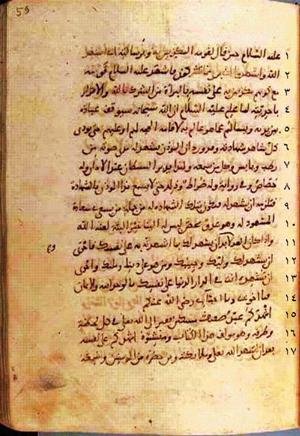
Manuscript volume 1 · Page 118

Konya manuscript

Open Arabic sourceOpen English translation

Arabic

عليه السلام حين قال لقومه المكذِّبين به وبرسالته: ﴿إِنِّي أُشْهِدُ الله وَ اشْهَدُوا أَنِّي بَرِي‏ءٌ مِمَّا تُشْرِكُونَ﴾ [هود: ٥٤]، فأشهد عليه السلام قومه، مع كونهم مكذِّبين به، على نفسه بالبراءة من الشِّرك بالله والإقرار بأحديَّته لَمّا علم عليه السلام أنّ الله سبحانه سيوقف عبادَه بين يديه ويسألهم عمّا هو عالِمٌ به لإقامة الحجَّة لهم أو عليهم، حتى يؤدِّي كلُّ شاهد شهادته.

وقد ورد (في الحديث عن النبيِّ محمَّد صلَّى الله عليه وسلَّم) أنَّ المؤذِّن يشهد له مدى صوته من رطبٍ ويابسٍ وكلُّ من سمعه، ولهٰذا يُدبر الشَّيطان عند الأذان وله حصاص، وفي رواية وله ضراط،[143] وذٰلك حتى لا يسمع نداء المؤذِّن بالشَّهادة فيلزمه أن يشهد له فيكون بتلك الشَّهادة له من جملة من يسعى في سعادة المشهود له، وهو عدوٌّ محضٌ ليس له إلينا خيرٌ ألبتّه، لعنه الله.

وإذا كان العدوُّ لا بدَّ أن يشهد لك بما أشهدته به على نفسك فأحرى أن يشهد لك وليُّك وحبيبُك ومن هو على دينك ومِلَّتك، وأحرى أن تُشهده أنت في الدَّار الدُّنيا على نفسك بالوحدانيّة والإيمان.

(الشَّهادة الأولى)

فيا إخوتي ويا أحبَّائي رضي الله عنكم، أَشهدَكم عبدٌ ضعيفٌ مسكينٌ فقيرٌ إلى الله تعالى في كلِّ لحظةٍ وطرفةٍ، وهو مؤلِّفُ هٰذا الكتاب ومنشئه، أشهدَكم على نفسه بعد أن أشهدَ الله تعالى وملائكته ومن حضره من المؤمنين وسمعه

Notes

[143]

الحديث عن أبي هريرة رضي الله عنه أنَّ رسول الله صلَّى الله عليه وسلَّم قال: "إِذَا نُودِيَ لِلصَّلاَةِ أَدْبَرَ الشَّيْطَانُ وَلَهُ ضُرَاطٌ حتَّى لا يَسْمَعَ التَّأذِينَ"، متَّفق عليه رواه البخاري في صحيحه (الجزء الأوّل، حديث رقم: 583، وأيضاً حديث رقم: 1164، 1174، 1175، 3111) ومسلم في صحيحه ([الجزء الأول-16]حديث رقم: 389).‏

English

peace be upon him—when he said to his people who denied him and his message: “I call God to witness, and you too bear witness, that I am free of what you associate with Him” [Qur’an 11:54], I understood that he called his people, despite their denial of him, to witness his own freedom from associating anything with God and his acknowledgement of His oneness. For he knew that God would bring His servants to stand before Him and question them about what He already knows, to establish the case for or against them, until every witness gives his testimony.

A report from the Prophet Muhammad—may God bless him and grant him peace—states that everything moist or dry within reach of the caller to prayer’s voice, and everyone who hears him, will bear witness for him. For this reason Satan retreats at the call to prayer with hurried motion—or, in another version, passing wind[143]—so as not to hear the caller’s proclamation of testimony and become obliged to bear witness for him. Such testimony would place him among those contributing to the felicity of the person witnessed for, whereas he is an outright enemy, with no goodwill toward us whatsoever. May God curse him.

If even an enemy must bear witness for you to what you have called him to witness concerning yourself, then all the more must your friend, your beloved, and those of your religion and community. All the more should you call them, in this worldly abode, to witness your own affirmation of divine unity and faith.

(The First Testimony)

My brothers and beloved ones—may God be pleased with you—a weak and destitute servant, in need of God at every moment and every glance, namely the author and composer of this book, calls you to witness concerning himself, after calling God, His angels, and the believers present with him who heard him, to witness—

Notes

[143]

Abu Hurayrah, may God be pleased with him, reports that God’s Messenger—may God bless him and grant him peace—said: “When the call to prayer is made, Satan retreats, passing wind so that he does not hear the call.” This is agreed upon by al-Bukhari and Muslim: al-Bukhari transmits it in his Sahih, vol. 1, no. 583, and also nos. 1164, 1174, 1175, and 3111; Muslim transmits it in his Sahih, vol. 1, no. 389 (the source also gives the location marker “16”).

Manuscript imageManuscript volume 1 · Page 118

Arabic and English are linked by the same Konya page ID. Page alignment is approximate; consult the manuscript image for verification.

Cairo source reference

Ibn al-Arabi, The Meccan Revelations — Manuscript volume 1 · Page 118 — https://www.futmak.com/english/konya/pages.php?id=118&text=both