
Futmak · الفتوحات المكية · Meccan Revelations

The Meccan Revelations

Manuscript volume 37 · Page 160

Konya manuscript

Open Arabic sourceOpen English translation

Arabic

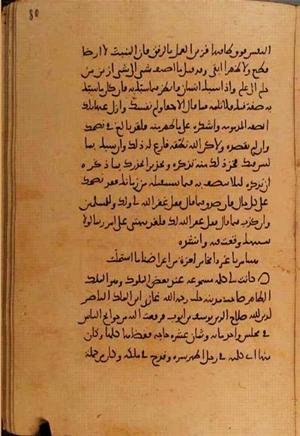
النفس فوق طاقتها، فزين العمل بالرفق؛ فإن المنبت لا أرضا قطع ولا ظهرا أبقى.

وقد قيل: «ما أضيف شيء إلى شيء أزين من حلم إلى علم» وإذا سبك إنسان، فانظر فيما سبك به فإن كان ما سبك به صفة فيك فلا تلمه؛ فما قال إلا حقا. ولم نفسك وأزل عنها تلك الصفة المذمومة واشكره على ما ظهر منه فلقد بالغ في نصحك وإن لم يقصده، ولكن الله أنطقه؛ فارع له ذٰلك.

وإن سبك بما ليس فيك فخذ ذٰلك منه تذكرة وتحذيرا يحذرك بما ذكره أن تذكره لئلا تتصف به فيما تستقبله من زمانك؛ فقد نصحك على كل حال.

فإن صدق فيما قال فقل: «غفر الله لي ولك وللمسلمين». وإن كذب فيما قال فقل: «غفر الله لك؛ فلقد نبهتني على أمر ربما لو لا تنبيهك وقعت فيه». وأنشده:

هنيئا مريئا غير داء مخامر لعزة من أعراضنا ما استحلت.

(شفاعة المؤلف عند الملك الظاهر)

كانت لي كلمة مسموعة عند بعض الملوك، وهو الملك الظاهر صاحب مدينة حلب رحمه الله غازي ابن الملك الناصر لدين الله صلاح الدين يوسف بن أيوب. فرفعت إليه من حوائج الناس في مجلس واحد مائة وثمان عشرة حاجة، فقضاها كلها.

وكان منها إني كلمته في رجل أظهر سره وقدح في ملكه وكان من جملة
English

the soul beyond its capacity. Adorn action, therefore, with gentleness, for the one who overtaxes his mount neither covers ground nor preserves his mount.

It has been said: “Nothing added to anything is more beautiful than forbearance added to knowledge.” If someone insults you, examine what he has insulted you with. If the quality he has used to insult you is in you, do not blame him: he has spoken only truth. Blame yourself and remove that blameworthy quality from it. Thank him for what he has shown, for he has given you the fullest counsel even if he did not intend it. God made him speak, so recognize that in his favor.

If he insults you with something not in you, take it from him as a reminder and warning, alerting you through what he has mentioned to remember it, lest you acquire that quality in the time ahead. In either case, he has counseled you.

If he spoke truthfully, say: “May God forgive me, you, and the Muslims.” If he lied, say: “May God forgive you. You have alerted me to something into which I might have fallen had you not alerted me.” Recite to him:

May what ʿAzza has deemed lawful of our honor be wholesome and pleasant to her, with no lurking sickness.

(The Author's Intercession with al-Malik al-Ẓāhir)

My word was heeded by one of the kings: al-Malik al-Ẓāhir, ruler of the city of Aleppo, may God have mercy on him—Ghāzī, son of al-Malik al-Nāṣir li-Dīn Allāh, Ṣalāḥ al-Dīn Yūsuf ibn Ayyūb. In a single gathering I brought him one hundred and eighteen of people's requests, and he fulfilled them all.

Among them was my speaking to him concerning a man who had divulged his secret and undermined his rule, and who belonged to his

Manuscript imageManuscript volume 37 · Page 160

Arabic and English are linked by the same Konya page ID. Page alignment is approximate; consult the manuscript image for verification.

Cairo source reference

Ibn al-Arabi, The Meccan Revelations — Manuscript volume 37 · Page 160 — https://www.futmak.com/english/konya/pages.php?id=10792&text=both