
Futmak · الفتوحات المكية · Meccan Revelations

The Meccan Revelations

Manuscript volume 37 · Page 108

Konya manuscript

Open Arabic sourceOpen English translation

Arabic

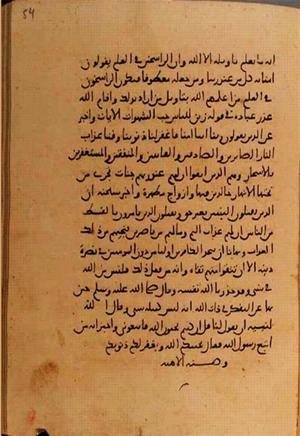
أنه ﴿ما يَعْلَمُ تَأْوِيلَهُ إِلَّا الله﴾ [آل عمران: ٧]، وإن الراسخين ﴿في الْعِلْمِ يَقُولُونَ آمَنَّا به كُلٌّ من عِنْدِ رَبِّنا﴾ [آل عمران: ٧].

ومن جعله معطوفا[22]، فيكون ﴿الرَّاسِخُونَ في الْعِلْمِ﴾ [آل عمران: ٧] من أعلمهم الله بتأويل ما أراد بذٰلك. وأقام الله عذر عباده في قوله: ﴿زُيِّنَ لِلنَّاسِ حُبُّ الشَّهَواتِ﴾ [آل عمران: ١٤] الآيات.

وأخبر عن ﴿الَّذِينَ يَقُولُونَ رَبَّنا إِنَّنا آمَنَّا فَاغْفِرْ لَنا ذُنُوبَنا وقِنا عَذابَ النَّارِ الصَّابِرِينَ والصَّادِقِينَ والْقانِتِينَ والْمُنْفِقِينَ والْمُسْتَغْفِرِينَ بِالْأَسْحارِ﴾ [آل عمران: ١٦، ١٧]، وهم الذين اتقوا، أن لهم ﴿عِنْدَ رَبِّهِمْ جَنَّاتٌ تَجْرِي من تَحْتِهَا الْأَنْهارُ خالِدِينَ فِيها وأَزْواجٌ مُطَهَّرَةٌ﴾ [آل عمران: ١٥].

وأخبر سبحانه أن الذين ﴿يَقْتُلُونَ النَّبِيِّينَ بِغَيْرِ حَقٍّ ويَقْتُلُونَ الَّذِينَ يَأْمُرُونَ بِالْقِسْطِ من النَّاسِ﴾ [آل عمران: ٢١] أن لهم عذاب أليم [آل عمران: ٢١] ﴿وما لَهُمْ من ناصِرِينَ﴾ [آل عمران: ٢٢] ينجيهم من ذٰلك العذاب.

ونهانا أن نتخذ ﴿الْكافِرِينَ أَوْلِياءَ من دُونِ الْمُؤْمِنِينَ﴾ [آل عمران: ٢٨] في نصرة دينه ﴿إِلَّا أَنْ تَتَّقُوا مِنْهُمْ تُقاةً﴾ [آل عمران: ٢٨] وإنه من فعل ذٰلك ﴿فَلَيْسَ من الله في شَيْءٍ﴾ [آل عمران: ٢٨] وقد حذرنا الله نفسه وقال ص حين نهانا عن التفكر في ذات الله: إنه ﴿لَيْسَ كَمِثْلِهِ شَيْءٌ﴾ [الشورى: ١١].

وقال الله لنبيه أن يقول لنا: ﴿قُلْ إِنْ كُنْتُمْ تُحِبُّونَ الله فَاتَّبِعُونِي﴾ [آل عمران: ٣١] وأخبر أنه من اتبع رسول الله فقال: ﴿يُحْبِبْكُمُ الله ويَغْفِرْ لَكُمْ ذُنُوبَكُمْ﴾ [آل عمران: ٣١].

وصية إلهية

Notes

[22]

(يشير إلى عطف «الراسخون» على الاسم السابق، فيكونون ممن أطلعهم الله على التأويل؛ وقد ذكر قبله قراءة المعنى على استئناف خبرهم.)
English

that ﴿None knows its interpretation except God﴾ [Al ʿImran 3:7], and that those firmly rooted ﴿In knowledge say: “We believe in it; all is from our Lord”﴾ [Al ʿImran 3:7].

For whoever takes the phrase as joined by conjunction to what precedes[22], ﴿Those firmly rooted in knowledge﴾ [Al ʿImran 3:7] are those whom God has informed of the interpretation He intends by it. God established an excuse for His servants in His saying: ﴿Made attractive to people is the love of desires﴾ [Al ʿImran 3:14], and the following verses.

He stated concerning ﴿Those who say: “Our Lord, we believe, so forgive us our sins and guard us against the punishment of the Fire”—the patient, the truthful, the devoutly obedient, those who spend, and those who seek forgiveness before dawn﴾ [Al ʿImran 3:16, 17], who are those mindful of God, that theirs are ﴿With their Lord, gardens beneath which rivers flow, abiding therein, and purified spouses﴾ [Al ʿImran 3:15].

He, glorified is He, stated that those who ﴿Kill the prophets without right and kill those among people who command justice﴾ [Al ʿImran 3:21] will have a painful punishment [Al ʿImran 3:21], ﴿And they have no helpers﴾ [Al ʿImran 3:22] to save them from that punishment.

He forbade us to take ﴿Unbelievers as allies instead of believers﴾ [Al ʿImran 3:28] in supporting His religion, ﴿Unless you guard yourselves against them as a precaution﴾ [Al ʿImran 3:28]. Whoever does that ﴿Has no connection with God﴾ [Al ʿImran 3:28]. God has warned us of Himself. When he, God bless him and grant him peace, forbade us to reflect upon God’s Essence, he said: ﴿Nothing is like Him﴾ [al-Shura 42:11].

God told His Prophet to say to us: ﴿Say: “If you love God, follow me”﴾ [Al ʿImran 3:31]. Concerning whoever follows God’s Messenger, He stated: ﴿God will love you and forgive you your sins﴾ [Al ʿImran 3:31].

Divine counsel

Notes

[22]

(This refers to joining “those firmly rooted” by conjunction to the preceding noun, making them among those whom God has acquainted with the interpretation. The author had just mentioned the reading that begins a new statement about them.)

Manuscript imageManuscript volume 37 · Page 108

Arabic and English are linked by the same Konya page ID. Page alignment is approximate; consult the manuscript image for verification.

Cairo source reference

Ibn al-Arabi, The Meccan Revelations — Manuscript volume 37 · Page 108 — https://www.futmak.com/english/konya/pages.php?id=10740&text=both