
Futmak · الفتوحات المكية · Meccan Revelations

The Meccan Revelations

Manuscript volume 36 · Page 213

Konya manuscript

Open Arabic sourceOpen English translation

Arabic

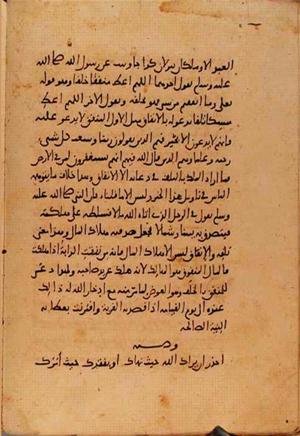
العبد إلا وملكان ينزلان، كذا جاء وثبت عن رسول الله ص، يقول أحدهما: «اللهم أعط منفقا خلفا»، وهو قوله تعالى: ﴿وما أَنْفَقْتُمْ من شَيْءٍ فَهُوَ يُخْلِفُهُ﴾ [سبأ: ٣٩]. ويقول الآخر: «اللهم أعط ممسكا تلفا»، يدعو له بالإنفاق مثل الأول المنفق، لا يدعو عليه.

فإنهم لا يدعون إلا بخير، فهم الذين يقولون: ﴿رَبَّنا وَسِعْتَ كُلَّ شَيْءٍ رَحْمَةً وعِلْماً﴾ [غافر: ٧]، وهم الذين قال الله فيهم إنهم ﴿يَسْتَغْفِرُونَ لِمَنْ في الْأَرْضِ﴾ [الشورى: ٥]. فما أراد الملك بالتلف في دعائه إلا الإنفاق، وهٰذا خلاف ما يتوهمه الناس في تأويل هٰذا الخبر، وليس إلا ما قلناه.

فإن النبي ص يقول في الرجل الذي آتاه الله مالا فسلطه على هلكته فيتصدق به يمينا وشمالا، فجعل صدقته هلاك المال، وهٰذا معنى تلفه. والإنفاق ليس إلا هلاك المال، فإنه من نفقت الدابة إذا هلكت، فالمال المنفوق هو الهالك، لأنه هلك عن يد صاحبه.

ولهٰذا دعا للمنفق بالخلف، وهو العوض لما مر منه، مع ادخار الله له ذٰلك عنده إلى يوم القيامة إذا قصد به القربة واقترنت بعطائه النية الصالحة.

وصية

(خبيئة العمل وطلب العلم)

احذر أن يراك الله حيث نهاك أو يفقدك حيث أمرك،
English

a servant awakens without two angels descending. Thus it has been transmitted and established from the Messenger of God, God bless him and grant him peace. One says: “O God, grant the spender a replacement.” This is His saying, exalted is He: ﴿Whatever you spend, He replaces it﴾ [Sabaʾ 34:39]. The other says: “O God, grant the withholder loss.” He prays for him to spend, like the first person, the spender; he does not pray against him.

For they pray only for good. They are those who say: ﴿Our Lord, You encompass all things in mercy and knowledge﴾ [Ghafir 40:7], and those of whom God says that they ﴿seek forgiveness for those on earth﴾ [al-Shura 42:5]. By “loss” in his supplication, the angel intends only spending. This is contrary to what people imagine in interpreting this report; it means only what we have said.

For the Prophet, God bless him and grant him peace, speaks of the man whom God has given wealth and enabled to expend it to its destruction, giving it in charity to right and left. He thus calls his charity the destruction of wealth, and this is the meaning of its loss. Spending is nothing other than the destruction of wealth: it derives from nafaqat al-dābba, “the beast perished.” Wealth that is spent is therefore wealth that has perished, because it has disappeared from its owner’s hand.

For this reason he prayed for the spender to receive a replacement, compensating for what has passed from him, while God stores it up for him with Himself until the Day of Resurrection, if he intended thereby to draw near to God and his giving was accompanied by a sound intention.

Counsel

(A hidden deed and seeking knowledge)

Beware lest God see you where He has forbidden you to be, or miss you where He has commanded you to be,

Manuscript imageManuscript volume 36 · Page 213

Arabic and English are linked by the same Konya page ID. Page alignment is approximate; consult the manuscript image for verification.

Cairo source reference

Ibn al-Arabi, The Meccan Revelations — Manuscript volume 36 · Page 213 — https://www.futmak.com/english/konya/pages.php?id=10605&text=both