
Futmak · الفتوحات المكية · Meccan Revelations

The Meccan Revelations

Manuscript volume 36 · Page 183

Konya manuscript

Open Arabic sourceOpen English translation

Arabic

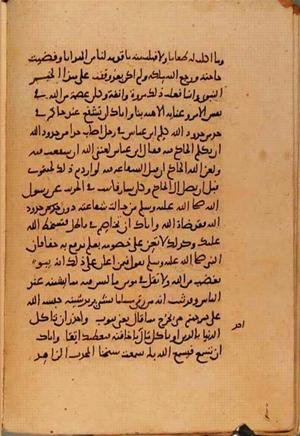
وما أكلت له طعاما ولا قبلت منه ما قدمه لنا من الهدايا، وقضيت حاجته ورجع إليه ملكه.

ولم أكن بعد وقفت على هٰذا الخبر النبوي، وإنما فعلت ذٰلك مروءة وأنفة، وكان عصمة من الله في نفس الأمر وعناية إلهية بنا. وإياك أن تشفع عند حاكم في حد من حدود الله.

كلم ابن عباس في رجل أصاب حدا من حدود الله أن يكلم الحاكم فيه، فقال ابن عباس: «لعنني الله إن شفعت فيه، ولعن الله الحاكم إن قبل الشفاعة فيه. لو أردتم ذٰلك لجئتموني قبل إن يصل إلى الحاكم»، وكان سارقا.

ثبت في الحديث عن رسول الله ص: «من حالت شفاعته دون حدٍّ من حدود الله فقد ضاد الله». وإياك أن تخاصم في باطل فتسخط الله عليك. وكذٰلك لا تعن على خصومة بعلم تدفع به حقا، فإن النبي ص يقول فيمن أعان على ذٰلك إنه يبوء بغضب من الله.

ولا تقل في مؤمن ما ليس فيه مما يشينه عند الناس، وقد ثبت أنه من رمى مسلما بشيء يريد شَيْنَه حبسه الله على جسر جهنم حتى يخرج مما قال، يعني يتوب.

واحذر أن تأكل الدنيا بالدين أو تأكل مال أحد بإخافته فيعطيك اتقاء، وإياك أن تسمع فيسمع الله بك. سمعت شيخنا المحدث الزاهد
English

without eating his food or accepting the gifts he had presented to us. I fulfilled his need, and his property was restored to him.

I had not yet encountered this prophetic report. I acted only out of honorable conduct and self-respect, but in the actual state of things it was protection from God and divine care for us. Beware of interceding with a judge concerning one of God's prescribed penalties.

Ibn ʿAbbās was approached about a man who had incurred one of God's prescribed penalties, so that he might speak to the judge concerning him. Ibn ʿAbbās said: “May God curse me if I intercede for him, and may God curse the judge if he accepts intercession for him. If you wanted that, you should have come to me before the case reached the judge.” The man was a thief.

It is established in the report from the Messenger of God, God bless him and grant him peace: “Whoever's intercession obstructs one of God's prescribed penalties has opposed God.” Beware of disputing in a false cause and thereby bringing God's displeasure upon yourself. Likewise, do not assist in a dispute by using knowledge to defeat a rightful claim, for the Prophet, God bless him and grant him peace, says that whoever assists in this incurs wrath from God.

Do not attribute to a believer something that is not in him and that disgraces him before people. It is established that whoever accuses a Muslim of something, intending to disgrace him, will be detained by God upon the bridge over Hell until he withdraws from what he said—that is, repents.

Beware of gaining worldly sustenance through religion, or consuming someone's wealth by frightening him so that he gives it to you to protect himself. Beware of seeking to make your deeds heard, lest God expose you. I heard our master, the hadith scholar and ascetic,

Manuscript imageManuscript volume 36 · Page 183

Arabic and English are linked by the same Konya page ID. Page alignment is approximate; consult the manuscript image for verification.

Cairo source reference

Ibn al-Arabi, The Meccan Revelations — Manuscript volume 36 · Page 183 — https://www.futmak.com/english/konya/pages.php?id=10575&text=both