
Futmak · الفتوحات المكية · Meccan Revelations

The Meccan Revelations

Manuscript volume 36 · Page 153

Konya manuscript

Open Arabic sourceOpen English translation

Arabic

به في ذٰلك.

وإذ كان الله المعين فلا تبال، فإنه لا يقاومه شيء، بل هو القادر على كل شيء. فما ثم مع الإعانة الإلهية قوة تقاوي قوة الحق[52]، فإن الله يقول فيمن سأله الإعانة: «ولعبدي ما سأل»، في الخبر الصحيح.

فإذا قال العبد: ﴿إِيَّاكَ نَعْبُدُ وإِيَّاكَ نَسْتَعِينُ﴾ [الفاتحة: ٥]، يقول الله: «هذه الآية بيني وبين عبدي ولعبدي ما سأل». وإذا قال: ﴿اهْدِنَا الصِّراطَ الْمُسْتَقِيمَ﴾ [الفاتحة: ٦] إلى آخر السورة، وهدايته من معونته، يقول الله: «هٰؤلاء لعبدي ولعبدي ما سأل». وخبره صدق، وقد قال: «ولعبدي ما سأل»، فلا بد من إعانته.

(حضور السؤال في التلاوة)

ولكن هنا شرط لا يغفل عنه العالم إذا تلا مثل هٰذا: لا يتلوه حكاية، فإن ذٰلك لا ينفعه فيما ذهبنا إليه وفيما أريد له. وإنما الله تعالى ما شرع له أن يقرأ القرآن ويذكره بهٰذا الذكر إلا ليعلمه كيف يذكره.

فيذكره ذكر طلب واضطرار وافتقار وحضور في طلبه من ربه ما شرع له أن يطلبه، فذٰلك هو الذي يجيبه الحق إذا سأله. فإن تلا حكاية فما هو سائل، وإذا لم يسأل وحكى السؤال فإن الحق لا يجيب من هذه صفته.

ولا جرم أن التالين الغالب عليهم الحكاية لأنه لا ثمرة عندهم، فهم يقرءون القرآن

Notes

[52]

(أثبتت «تقاوي» بدل «نقاوي» وفق الطبعة الأحدث.)
English

from Him in this.

Since God is the Helper, have no concern, for nothing can withstand Him; rather, He has power over everything. With divine assistance there is no power that can rival the power of the Real[52]. For God says concerning the one who asks His assistance, “My servant shall have what he asks,” in the sound report.

When the servant says, ﴿You alone we worship, and You alone we ask for help﴾ [al-Fatiha 1:5], God says, “This verse is between Me and My servant, and My servant shall have what he asks.” When he says, ﴿Guide us on the straight path﴾ [al-Fatiha 1:6], through the end of the sura—and His guidance belongs to His assistance—God says, “These are for My servant, and My servant shall have what he asks.” His report is true, and He has said, “My servant shall have what he asks,” so His assistance must come.

(Presence in Asking during Recitation)

Yet here there is a condition that the knower must not overlook when reciting such words: he must not recite them merely as a report, for that will not benefit him in what we have in view or in what is intended for him. God, Most High, prescribed his reading the Qur’an and remembering Him through this remembrance only to teach him how to remember Him.

He is therefore to remember Him with the remembrance of asking, urgent need, poverty, and presence in asking his Lord for what He has prescribed for him to ask. Such is the one whom the Real answers when he asks Him. If he recites merely as a report, he is not asking; and if he does not ask but only reports the asking, the Real does not answer one whose description is this.

No wonder that mere reporting predominates among reciters, for they have no fruit. They read the Qur’an

Notes

[52]

(The reading “تقاوي” (“can rival in strength”) has been adopted in place of “نقاوي”, following the newer edition.)

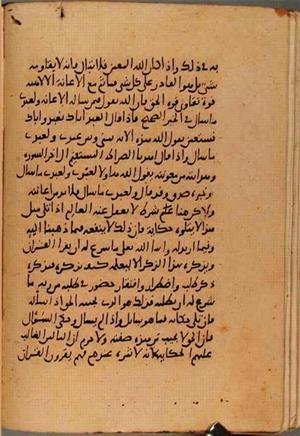
Manuscript imageManuscript volume 36 · Page 153

Arabic and English are linked by the same Konya page ID. Page alignment is approximate; consult the manuscript image for verification.

Cairo source reference

Ibn al-Arabi, The Meccan Revelations — Manuscript volume 36 · Page 153 — https://www.futmak.com/english/konya/pages.php?id=10545&text=both