
Futmak · الفتوحات المكية · Meccan Revelations

The Meccan Revelations

Manuscript volume 36 · Page 141

Konya manuscript

Open Arabic sourceOpen English translation

Arabic

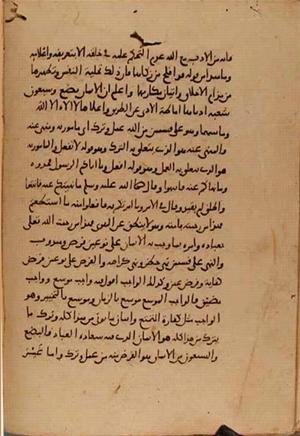
فإنه من الأدب مع الله عدم التحكم عليه في خلقه إلا بتعريفه وإعلامه. وما هٰذا من قوله: ﴿قَدْ أَفْلَحَ من زَكَّاها﴾ [الشمس: ٩]، فإن ذٰلك تحلية النفس وتطهيرها من مذام الأخلاق وإتيان مكارمها.

(الأمر والنهي وشعب الإيمان)

واعلم أن الايمان بضع وسبعون شعبة، أدناها إماطة الأذى عن الطريق، وأعلاها لا إله إلا الله. وما بينهما هو على قسمين من الله: عمل وترك، أي مأمور به ومنهي عنه.

فالمنهي عنه هو الذي يتعلق به الترك، وهو قوله «لا تفعل»، والمأمور به هو الذي يتعلق به العمل، وهو قوله «افعل». ﴿وما آتاكُمُ الرَّسُولُ فَخُذُوهُ وما نَهاكُمْ عَنْهُ فَانْتَهُوا﴾ [الحشر: ٧].

وقال ص: «ما نهيتكم عنه فانتهوا»، وأطلق ولم يقيد، وقال في الأمر: «وما أمرتكم به فافعلوا منه ما استطعتم». فهٰذا من رحمته بأمته، وهو لا ينطق عن الهوى، فهٰذا من رحمة الله تعالى بعباده.

وأمره بما وجب به الايمان على نوعين: فرض ومندوب، والنهي على قسمين: نهي حظر ونهي كراهة. والفرض على نوعين: فرض كفاية وفرض عين. وكذٰلك الواجب أقول فيه: واجب موسع وواجب مضيق.

فالواجب الموسع موسع بالزمان وموسع بالتخيير، وهو الواجب المخير مثل كفارة المتمتع. وإتيان ما يؤتى من هٰذا كله وترك ما يترك من هٰذا كله هو الايمان الذي فيه سعادة العباد.

فالبضع والسبعون من الايمان هو الفرض منه، من عمل وترك. وأما غير
English

For proper courtesy toward God includes not dictating to Him concerning His creatures except through what He makes known and communicates. This is not the meaning of His saying: ﴿Successful indeed is the one who purifies it﴾ [al-Shams 91:9], for that means adorning the soul, purifying it of blameworthy character traits, and acquiring noble ones.

(Command, prohibition, and the branches of faith)

Know that faith has seventy-odd branches. The lowest of them is removing harm from the road, and the highest is “There is no god but God.” What lies between them falls into two divisions from God: action and abstention, that is, what is commanded and what is forbidden.

What is forbidden is that to which abstention relates, expressed in His saying, “Do not do.” What is commanded is that to which action relates, expressed in His saying, “Do.” ﴿Whatever the Messenger gives you, take it; and whatever he forbids you, abstain from it﴾ [al-Hashr 59:7].

He, God bless him and grant him peace, said: “Whatever I forbid you, abstain from it,” stating it without restriction or qualification. Concerning the command, he said: “Whatever I command you, do of it as much as you can.” This is part of his mercy toward his community, and he does not speak from caprice: it is therefore part of God’s mercy toward His servants, exalted is He.

His command concerning that in which faith is obligatory is of two kinds: obligatory and recommended. Prohibition is of two divisions: a prohibition that makes something forbidden and a prohibition expressing disapproval. Obligation is of two kinds: collective obligation and individual obligation. Likewise, concerning what is obligatory, I speak of an obligation allowing latitude and a narrowly delimited obligation.

The obligation allowing latitude may allow latitude in time or in choice. The latter is the obligation permitting a choice, such as the expiation for the pilgrim performing tamattuʿ. Performing whatever is to be performed of all this, and leaving whatever is to be left of all this, is the faith in which the servants’ felicity lies.

The seventy-odd branches of faith are its obligatory part, consisting of action and abstention. As for what is not

Manuscript imageManuscript volume 36 · Page 141

Arabic and English are linked by the same Konya page ID. Page alignment is approximate; consult the manuscript image for verification.

Cairo source reference

Ibn al-Arabi, The Meccan Revelations — Manuscript volume 36 · Page 141 — https://www.futmak.com/english/konya/pages.php?id=10533&text=both