
Futmak · الفتوحات المكية · Meccan Revelations

The Meccan Revelations

Manuscript volume 36 · Page 140

Konya manuscript

Open Arabic sourceOpen English translation

Arabic

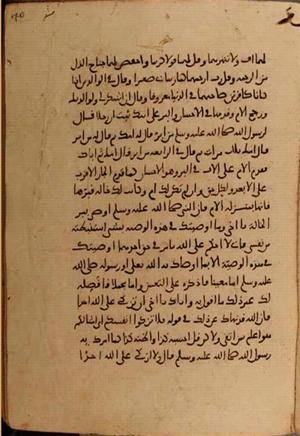
لَهُما أُفٍّ ولا تَنْهَرْهُما وقُلْ لَهُما قَوْلًا كَرِيماً واخْفِضْ لَهُما جَناحَ الذُّلِّ من الرَّحْمَةِ وقُلْ رَبِّ ارْحَمْهُما كَما رَبَّيانِي صَغِيراً﴾ [الإسراء: ٢٣، ٢٤]. وقال في الوالدين إذا كانا كافرين: ﴿وصاحِبْهُما في الدُّنْيا مَعْرُوفاً﴾ [لقمان: ١٥]، وقال: ﴿أَنِ اشْكُرْ لِي ولِوالِدَيْكَ﴾ [لقمان: ١٤].

ورجح الأم وقدمها في الإحسان والبر على أبيك. ثبت أن رجلا قال لرسول الله ص: «من أبر؟» قال له: «أمك». ثم قال له: «من أبر؟» قال: «أمك»، ثلاث مرات. ثم قال في الرابعة: «من أبر؟» قال: «أمك ثم أباك».

فقدم الأم على الأب في البر، وهو الإحسان، كما قدم الجار الأقرب على الأبعد ولكل حق. وإن لم يكن لك أم وكانت لك خالة فبرها، فإنها بمنزلة الأم، فإن النبي ص أوصى ببر الخالة.

يا أخي، وما أوصيتك في هذه الوصية بشيء أستنبطه من نفسي، فإني لا أحكم على الله بأمر في حق أحد. فما أوصيتك في هذه الوصية إلا بما أوصاك به الله تعالى أو رسوله ص، إما معينا فاذكره على التعيين، وإما مجملا فافصله لك، غير ذٰلك ما أقول به.

(التزكية والأدب مع الله)

وإياك يا أخي أن تزكي على الله أحدا، فإن الله قد نهاك عن ذٰلك في قوله: ﴿فَلا تُزَكُّوا أَنْفُسَكُمْ﴾ [النجم: ٣٢]، أي أمثالكم، ﴿هُوَ أَعْلَمُ بِمَنِ اتَّقى﴾ [النجم: ٣٢]. ولكن قل: «أحسبه كذا»، أو «أظنه كذا»، كما أمرك به رسول الله ص، قال: «ولا أزكي على الله أحدا».
English

“Ugh!” to them, nor rebuke them, but speak to them noble words. Lower to them the wing of humility out of mercy, and say: “My Lord, have mercy on them as they raised me when I was small”﴾ [al-Israʾ 17:23, 24]. Concerning parents who are unbelievers, He said: ﴿Keep their company in this world with kindness﴾ [Luqman 31:15]. And He said: ﴿Give thanks to Me and to your parents﴾ [Luqman 31:14].

Give preference to your mother and place her before your father in beneficence and dutiful kindness. It is established that a man said to the Messenger of God, God bless him and grant him peace: “To whom should I show dutiful kindness?” He told him: “Your mother.” Then he asked him: “To whom should I show dutiful kindness?” He said: “Your mother”—three times. Then on the fourth occasion he asked: “To whom should I show dutiful kindness?” He said: “Your mother, then your father.”

He thus placed the mother before the father in dutiful kindness, which is beneficence, just as he placed the nearer neighbor before the more distant, though each has a right. If you have no mother but have a maternal aunt, show her dutiful kindness, for she occupies the position of a mother. The Prophet, God bless him and grant him peace, recommended dutiful kindness toward the maternal aunt.

My brother, in this counsel I have not recommended anything to you that I deduce from myself, for I do not impose upon God a ruling concerning anyone. In this counsel I have recommended to you only what God, exalted is He, or His Messenger, God bless him and grant him peace, has recommended to you: either something specified, which I mention specifically, or something stated generally, which I explain to you in detail. Other than that, I say nothing.

(Declaring others pure and proper courtesy toward God)

Beware, my brother, of declaring anyone pure before God, for God has forbidden you to do so in His saying: ﴿Do not declare yourselves pure﴾ [al-Najm 53:32], meaning people like yourselves. ﴿He knows best who is reverently fearful﴾ [al-Najm 53:32]. Rather, say: “I reckon him to be such,” or “I think him to be such,” as the Messenger of God, God bless him and grant him peace, instructed you. He said: “I do not declare anyone pure before God.”

Manuscript imageManuscript volume 36 · Page 140

Arabic and English are linked by the same Konya page ID. Page alignment is approximate; consult the manuscript image for verification.

Cairo source reference

Ibn al-Arabi, The Meccan Revelations — Manuscript volume 36 · Page 140 — https://www.futmak.com/english/konya/pages.php?id=10532&text=both