
Futmak · الفتوحات المكية · Meccan Revelations

The Meccan Revelations

Manuscript volume 35 · Page 264

Konya manuscript

Open Arabic sourceOpen English translation

Arabic

في قلبه، ولبسه العبد بكونه جميع قواه، والحق هو الجامع وعلمه ليس غير الحق، فقد علم كل شيء. وإذا علمه فقد غشيه، وإذا غشيه فقد لبسه، وإذا لبسه انفعل عنه ما ينفعل؛ ويصير ذٰلك المنفعل أهلا له أيضا يغشاه.

و من ذٰلك الردة عن الدين شيمة الملحدين

صاحب الردة لا تحسبه

عالما بالأمر فيما قد علم

بل هو الجَاهِلُ حقا ولذا

كل ما يسمع من قول حكم

إنه يصدق فيما قاله

و الذي يعقل هٰذا لا جرم

قال: الدين الجزاء، فلا يميل عن الجزاء إلى العمل على العبودة[86]، وتكون عبادته لذات الحق كما هي عبادته في الآخرة، كان عند الناس ملحدا وعند ربه موحدا؛ فإنه سلم من البواعث المعلولة في عبادة ربه. فهٰذا هو الإلحاد المحمود، وما سمي إلحادا إلا لما فيه من الميل عن العمل على الأمر.

Notes

[86]

(ورد ابتداء هذا التركيب بـ«فلا يميل»، ثم جاء «كان عند الناس ملحدا»؛ أُبقي النص كما في الملف، ويحتاج اتصال العبارة إلى مقابلة.)
English

within his heart, and the servant wears Him through His being all his faculties, while the Real is the Gatherer and his knowledge is none other than the Real, then he has known everything. When he knows it, he covers it; when he covers it, he wears it; when he wears it, what is acted upon through him is acted upon. That which is acted upon becomes his family also, whom he covers.

Among This Is That Turning Back from Religion Is the Heretics’ Trait

Do not suppose the one who turns back

To know the affair in what he has known.

Rather, he is truly ignorant; hence

He judges every saying he hears:

He is truthful in what he has said,

As is one who understands this—assuredly.

He said: Religion is recompense. Thus he does not turn from recompense to acting upon servitude[86], and his worship is for the Real’s Essence, as is his worship in the Hereafter—he is a heretic among people and an affirmer of oneness with his Lord, for he is free of conditioned motives in worshipping his Lord. This is praiseworthy heresy. It was called heresy only because it contains an inclination away from acting upon the command.

Notes

[86]

(This construction begins with “thus he does not turn,” then has “he is a heretic among people.” The text has been retained as in the file; the connection of the phrase requires comparison.)

Translator’s note: The poem’s final phrase can share the preceding predicate, “truthful,” or remain an elliptical “the one who understands this—assuredly.”

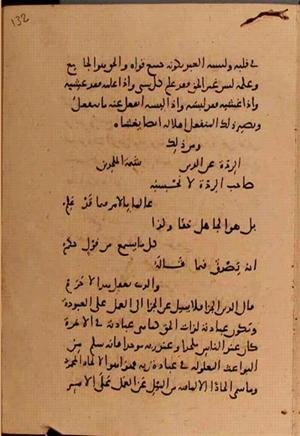
Manuscript imageManuscript volume 35 · Page 264

Arabic and English are linked by the same Konya page ID. Page alignment is approximate; consult the manuscript image for verification.

Cairo source reference

Ibn al-Arabi, The Meccan Revelations — Manuscript volume 35 · Page 264 — https://www.futmak.com/english/konya/pages.php?id=10366&text=both