
Futmak · الفتوحات المكية · Meccan Revelations

The Meccan Revelations

Manuscript volume 1 · Page 100

Konya manuscript

Open Arabic sourceOpen English translation

Arabic

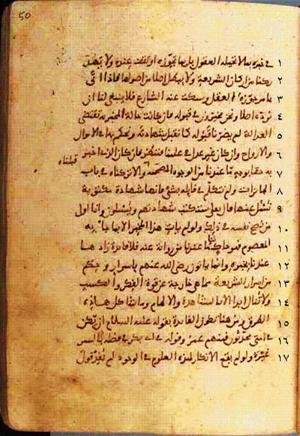
في خبره بما لا تُحيله العقول بل بما تجوِّزُه أو تقفُ عنده، ولا يهُدُّ رُكناً من أركان الشَّريعة ولا يُبطل أصلاً من أصولها.

فإذا أتى بأمرٍ جوَّزه العقل وسكت عنه الشَّارع (أي المشرِّع) فلا ينبغي لنا أن نردَّه أصلاً، ونحن مخيَّرون في قبوله؛ فإن كانت حالةُ المخبِر به تقتضي العدالة لم يضرَّنا قبوله كما نقبل شهادتَه ونحكم بها في الأموال والأرواح،

وإن كان غير عَدْلٍ في علمنا فننظر: فإن كان الَّذي أخبر به حقّاً بوجهٍ مّا عندنا من الوجوه المصحَّحَة قَبِلناه، وإلاَّ تركناه في باب الجائزات، ولم نتكلّم في قائله بشيءٍ؛ فإنها شهادةٌ مكتوبةٌ نُسأل عنها، قال تعالى: ﴿سَتُكْتَبُ شَهَادَتُهُمْ وَيُسْأَلُونَ﴾ [الزخرف: ١٩]، وأنا أولى من نصح نفسه في ذٰلك.

ولو لم يأت هٰذا المخبِر إلاَّ بما جاء به المعصوم فهو حاكٍ لنا ما عندنا من روايةٍ عنه، فلا فائدة زادها عندنا بِخبره، وإنما يأتون رضي الله عنهم بأسرارٍ وحِكَمٍ من أسرارِ الشريعة مما هي خارجةٌ عن قوَّةِ الفكرِ والكسبِ ولا تُنال أبداً إلا بالمشاهدة والإلهام وما شاكَلَ هذه الطُّرُق، ومن هنا تكون الفائدة بقوله عليه السلام: «إن يكن في أمّتي محدَّثون فمنهم عمر»،[127] وقوله في أبي بكر في فضلِه بالسرِّ غيرَه.[128]

ولو لَم يقع الإنكار لهذه العلوم في الوجود لم يُفد قول

Notes

[127]

ورد ذٰلك في صحيح مسلم والبخاري وغيرهما أنّ رسول الله صلّى الله عليه وسلَّم قال: "قَدْ كَانَ يَكُونُ فِي الأُمَمِ قَبْلَكُمْ مُحَدَّثُونَ، فَإِنْ يَكُنْ فِي أُمَّتِي مِنْهُمْ أَحَدٌ فَعُمَرُ، فَإِنّ عُمَرَ بْنَ الْخَطّابِ مِنْهُمْ"، وقال ابنُ وَهْبٍ: تفسير مُحَدّثُونَ: مُلْهَمُونَ (صحيح مسلم، الجزء الرابع، حديث رقم: 23). ويقول البخاري في صحيحه في شرح ذٰلك: محدَّثون جمع محدَّث، وهو الَّذي يجري الصواب على لسانه، أو يخطر بباله الشَّيء فيكون، بفضل من الله تعالى وتوفيق (صحيح البخاري، الجزء الثاني، حديث رقم: 3282).‏

[128]

أي في فضله على غيره بالسِّرِّ الَّذي وقر في صدره، كما ورد في الحديث أنَّ رسول الله صلّى الله عليه وسلّم قال: "ما فضل أبو بكر رضي الله عنه النَّاس بكثرة صيام ولا صلاة ولا بكثرة رواية ولا فتوى ولا كلام، ولكن بشيء وقر في صدره." وقال الحافظ العراقي في ‏تخريج أحاديث الإحياء (المجلد الأول، كتاب العلم: الباب الثاني، الحديث رقم 1): أخرجه الترمذي الحكيم في النوادر من قول أبي بكر بن عبد الله المزني ولم أجده مرفوعاً.
English

what intellects do not deem impossible, but admit as possible or suspend judgment about; it neither demolishes a pillar of the revealed Law nor invalidates one of its foundations.

If he brings something reason allows and concerning which the Lawgiver (the one who legislates) has remained silent, we should not reject it outright, and we are free to accept it. If the reporter’s condition establishes his probity, accepting it does us no harm, just as we accept his testimony and judge by it in matters of property and lives.

If, to our knowledge, he lacks probity, we examine the matter. If what he reports is true for us in some way that establishes its validity, we accept it. Otherwise, we leave it among possibilities and say nothing against its speaker, for that would be testimony recorded and questioned. God says: “Their testimony will be recorded, and they will be questioned” [Qur’an 43:19]. I, above all, should counsel myself sincerely in this matter.

If this reporter brought only what the one protected from error had already brought, he would merely repeat what we already possess through transmission from him, adding nothing beneficial through his report. Rather, these people—may God be pleased with them—bring secrets and wisdoms from the secrets of the revealed Law that lie beyond the power of thought and acquisition, and can be attained only through contemplation, inspiration, and similar paths. Herein lies the point of his saying, peace be upon him: “If there are inspired speakers in my community, Umar is among them,”[127] and his saying about Abu Bakr’s superiority over others through a secret.[128]

Had these sciences never met with denial, there would be no point in—

Notes

[127]

Sahih Muslim, Sahih al-Bukhari, and other works relate that God’s Messenger, may God bless him and grant him peace, said: “Among the communities before you there were inspired speakers. If there is anyone of them in my community, it is Umar, for Umar ibn al-Khattab is among them.” Ibn Wahb said that muhaddathun means “those who receive inspiration” (Sahih Muslim, vol. 4, no. 23). The explanation in Sahih al-Bukhari states that muhaddathun is the plural of muhaddath: someone on whose tongue what is right occurs, or to whose mind something comes and then happens, through God’s favour and enabling grace (Sahih al-Bukhari, vol. 2, no. 3282).

[128]

His superiority over others through the secret firmly lodged in his breast, as in the report that God’s Messenger, may God bless him and grant him peace, said: “Abu Bakr, may God be pleased with him, did not surpass people through much fasting or prayer, nor through much transmission, legal opinion, or speech, but through something firmly lodged in his breast.” In his documentation of the reports in the Ihya (vol. 1, Book of Knowledge, Chapter Two, report no. 1), al-Iraqi says: “Al-Hakim al-Tirmidhi included it in al-Nawadir as a saying of Abu Bakr ibn Abd Allah al-Muzani. I have not found it attributed with a chain reaching the Prophet.”

Manuscript imageManuscript volume 1 · Page 100

Arabic and English are linked by the same Konya page ID. Page alignment is approximate; consult the manuscript image for verification.

Cairo source reference

Ibn al-Arabi, The Meccan Revelations — Manuscript volume 1 · Page 100 — https://www.futmak.com/english/konya/pages.php?id=100&text=both